

Base di conoscenza
Il glossario
Ogni termine che usiamo con i nostri clienti, spiegato in parole semplici. Sfoglia un argomento, salta a una lettera o fai una ricerca.
- 220 concetti
- 17 aree tematiche
Sfoglia per argomento
Ogni area raggruppa i concetti correlati tra loro.
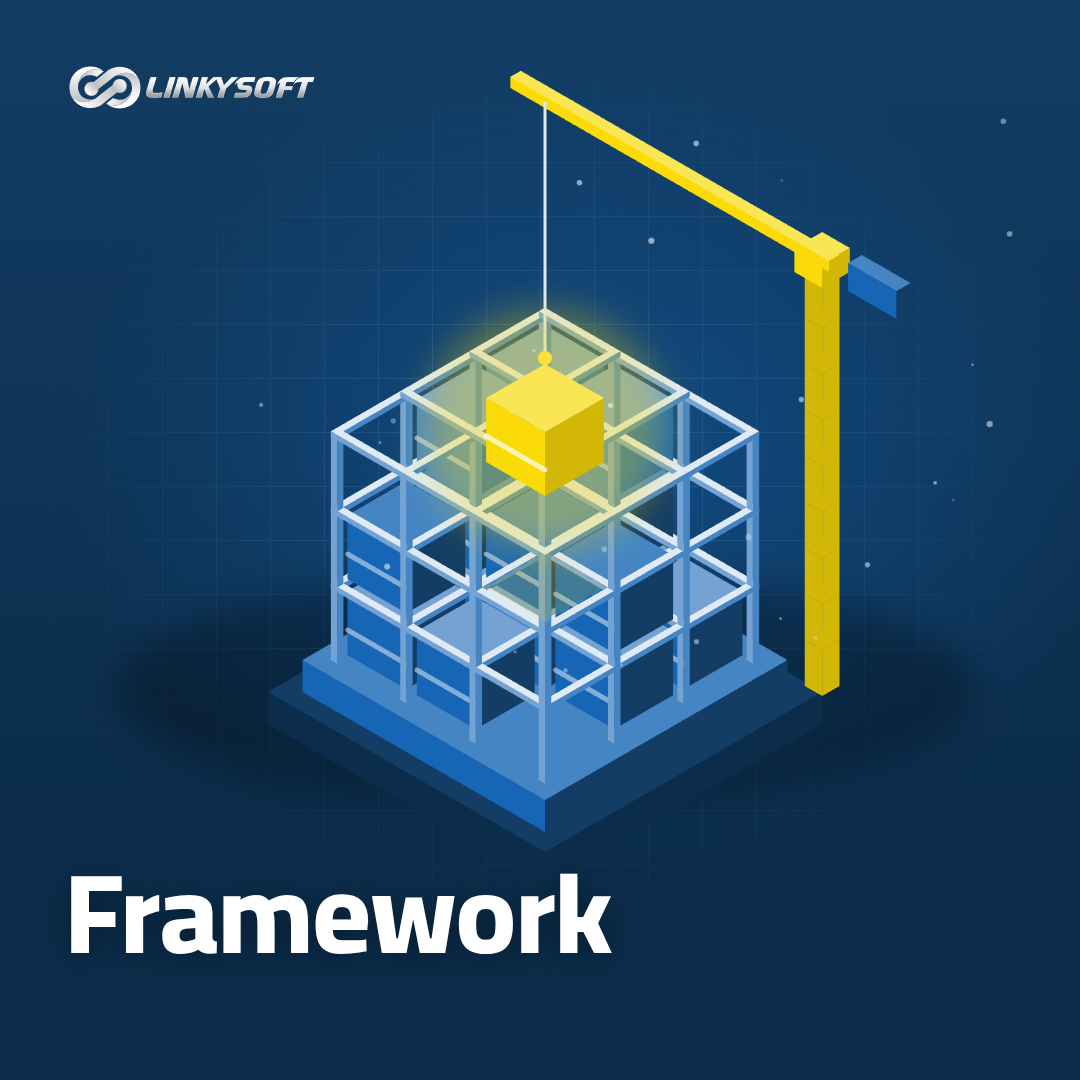
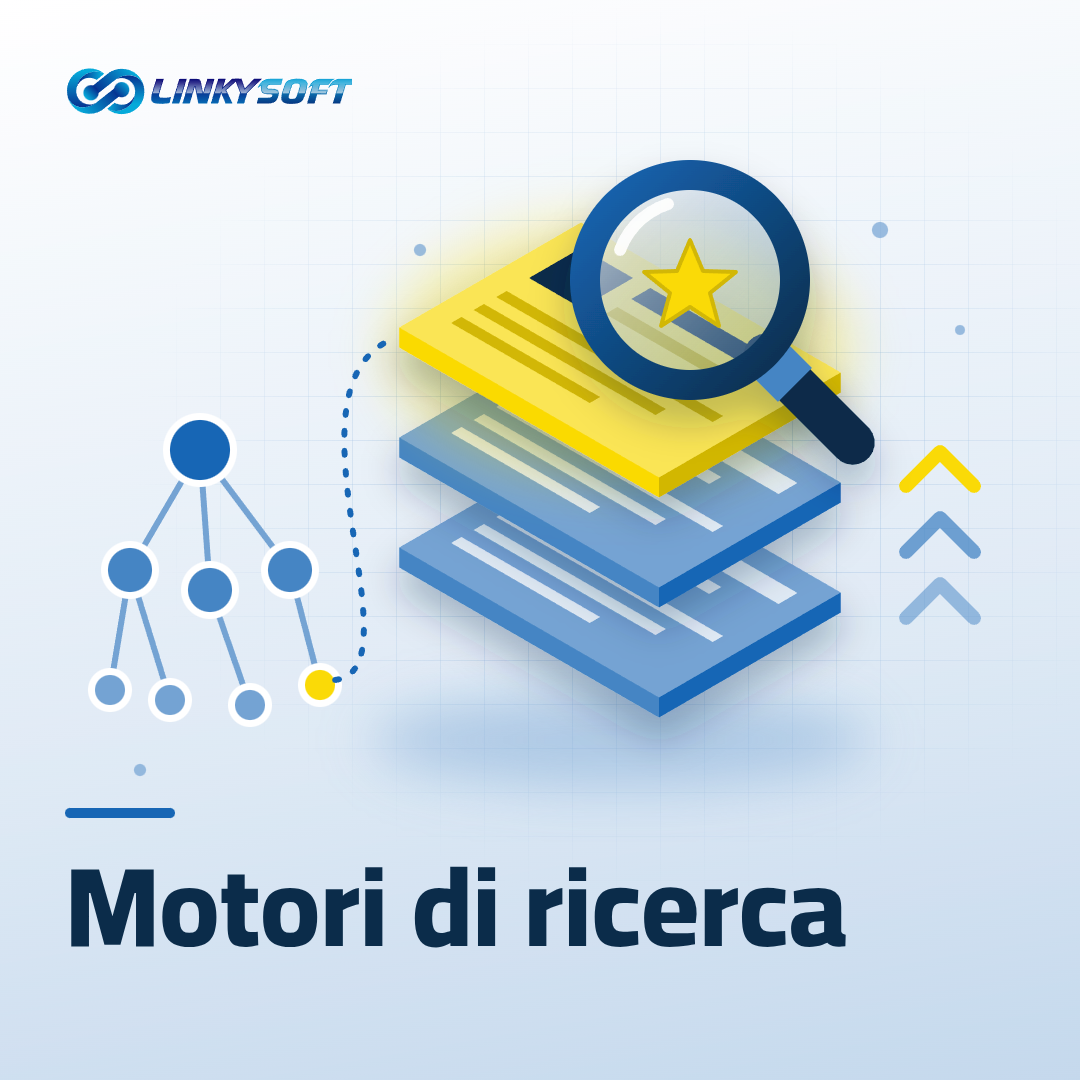
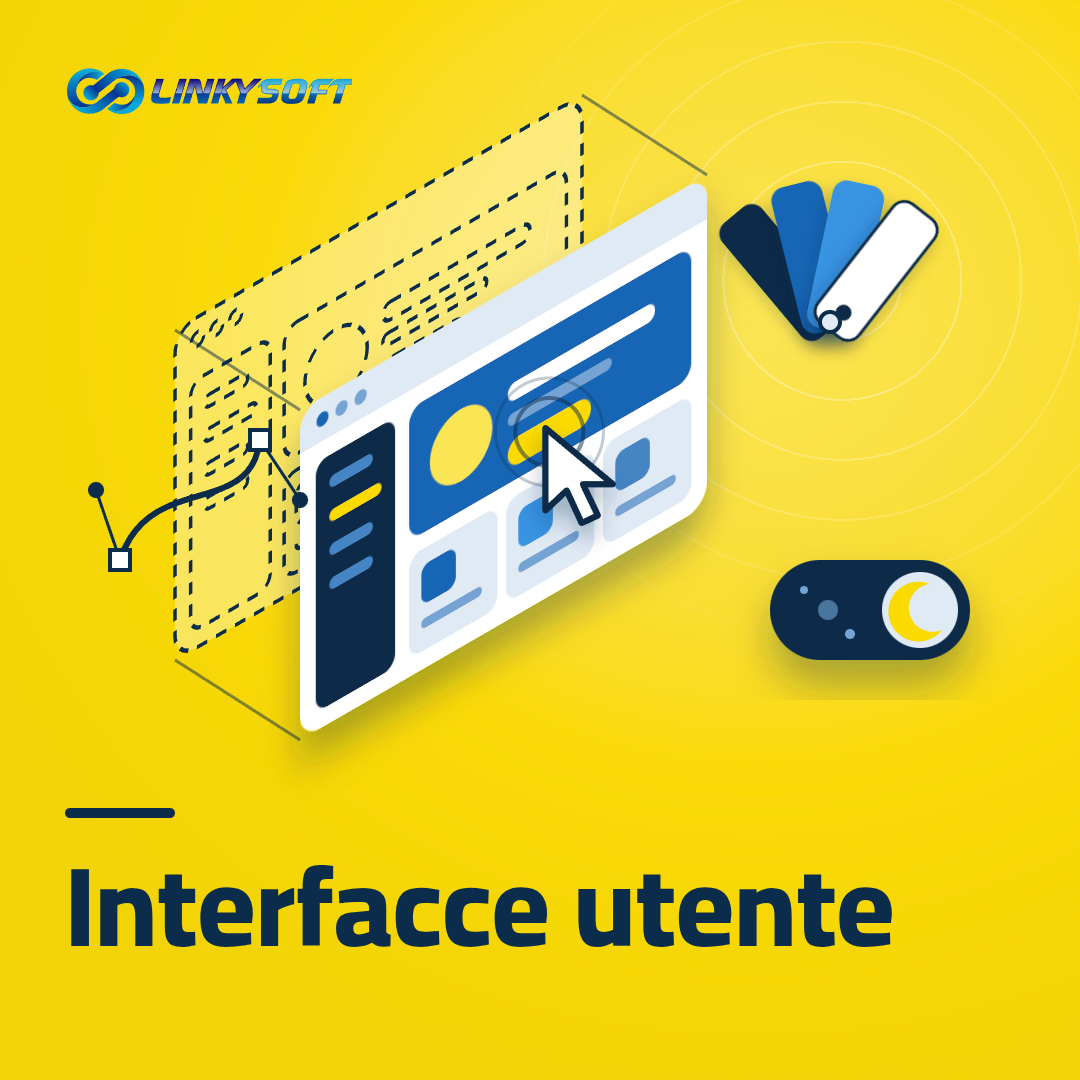
Web hosting Definizioni semplici delle parole dell'hosting che incontri quando metti online un sito: uptime, accordi sul livello di servizio, spazio di archiviazione, SSL e gli elementi di un piano hosting che decidono quanto un sito è veloce e affidabile. 2 Server Cosa fanno i server e i database che ospitano, in parole semplici: VPS e server dedicati, MySQL, PostgreSQL, MongoDB, Redis e i termini che servono quando gestisci un server tutto tuo. 4 Domini I nomi di dominio resi semplici: registrazione, DNS, nameserver, rinnovi, trasferimenti e le parole che servono per scegliere, collegare e proteggere l'indirizzo del tuo sito. 0 E-commerce Il linguaggio della vendita online: SKU, varianti di prodotto, carrelli abbandonati, tracciamento degli ordini, pagamenti, punto vendita e i numeri che mostrano come va davvero un negozio. 30 Cloud computing Il cloud computing e gli strumenti che ci portano il software: cos'è il cloud, come Docker e Kubernetes eseguono le applicazioni e come Git e CI/CD rendono sicuri i rilasci. 5 Social media Termini dei social media per le aziende: marketing su WhatsApp, campagne con influencer, annunci video e le parole per far crescere il pubblico e parlare con i clienti dove già si trovano. 3 Siti web I mattoni di un sito web in parole semplici: HTML, CSS, design responsive, layout da destra a sinistra e la differenza tra un sito web e un'applicazione web. 6 Applicazioni web I termini che incontri quando un'azienda sviluppa o acquista un'applicazione web: API, dashboard, ruoli utente, single sign-on, deploy, scalabilità e il costo di possedere un software. 29 App mobili Le parole delle app mobili spiegate: app native e ibride, notifiche push, acquisti in-app, revisione negli store, sincronizzazione offline e cosa mantiene un'app aggiornata e sicura. 25 Sicurezza informatica I termini di sicurezza che ogni azienda dovrebbe conoscere: phishing, ransomware, crittografia, autenticazione a due fattori, zero trust, backup e le abitudini che proteggono dati e account. 35 Marketing digitale Termini del marketing digitale spiegati: tasso di conversione, landing page, funnel di vendita, campagne email, pay per click, attribuzione e i numeri che mostrano cosa funziona davvero. 26 Intelligenza artificiale L'intelligenza artificiale in parole semplici: machine learning, modelli linguistici di grandi dimensioni, chatbot e come le aziende usano l'AI per rispondere ai clienti e automatizzare il lavoro di ogni giorno. 4 Internet delle cose I termini dell'Internet delle cose resi semplici: dispositivi connessi, sensori, gateway e le parole dietro edifici intelligenti, tracciamento e macchine che comunicano da sole il proprio stato. 0 Linguaggi di programmazione Definizioni brevi e chiare dei linguaggi di programmazione dietro il software di oggi: Python, PHP, JavaScript, TypeScript, Java, Go, Rust, Kotlin, Swift, SQL e altri. 12 Framework I framework su cui lavorano gli sviluppatori, definiti in modo semplice: Laravel, Django, React, Next.js, Node.js, Flutter e cosa porta ciascuno a un progetto web o mobile. 6 Motori di ricerca Termini dei motori di ricerca spiegati: SEO, indicizzazione, sitemap, URL canonici, featured snippet, intento di ricerca e cosa aiuta un sito ad apparire su Google e nelle risposte dell'AI. 30 Interfacce utente Termini di interfaccia ed esperienza utente: prototipi, user experience, modalità scura e le scelte di design che rendono software e siti web facili e piacevoli da usare. 3


I più letti
Da dove iniziano quasi tutti.
Loyalty Program A loyalty program is a scheme that pays customers for coming back, usually in points they can spend on a later purchase. E-commerce Coupon Code A coupon code is a short word or number that a customer types at checkout so the shop takes an agreed amount off the order. E-commerce CSS CSS CSS is the language that decides how a web page looks, and because it sits in its own file, one change there restyles every page at once. Siti web MySQL MySQL is the most widely used free database in the world, and it is where a website keeps its customers, orders and prices in tidy tables. Server Redis Redis is a store that keeps data in the computer's memory instead of on a disk, so the same expensive question can be answered instantly the second time. Server HTML HTML HTML is the set of labels that tells a browser whether a piece of a page is a heading, a paragraph, a link or a field in a form. Siti web PostgreSQL PostgreSQL is a free database that refuses to store anything that does not make sense, which is why it is chosen when the numbers have to be right. Server PHP PHP is a programming language that builds a web page on the server before sending it to your screen, and much of the web still works that way. Linguaggi di programmazione Chatbot A software assistant that talks with visitors by text or voice on a website or messaging app to answer questions, take orders, or book appointments at any hour. Basic versions follow fixed button menus, while AI versions understand everyday language. Intelligenza artificiale Rust Rust is a programming language that refuses to build your program at all if it contains the memory mistakes behind most serious security holes. Linguaggi di programmazione App Store Review App store review is the check that Apple and Google run on every app and every update before they let it into their store. App mobili Web App vs Website The difference between a web app and a website is that a website tells people things, while a web app does real work for them once they sign in. Siti web
Tutti i concetti, dalla A alla Z
T
Two-Factor Authentication 2FA Two-factor authentication is a sign-in that asks for your password and then for something you are holding, so a stolen password alone is not enough to get in. Leggi la definizione
P
Phishing Phishing is a message built to look like it came from someone you trust, so that you hand over a password, a code or a payment. Leggi la definizione
S
Service Level Agreement SLA A service level agreement is the part of a contract that promises how well a service will work, and says what you get back when the promise breaks. Leggi la definizione
U
Uptime Uptime is the share of time a system stays available and working, usually written as a percentage over a month, such as 99.9%. Leggi la definizione
C
Canonical URL A canonical URL is the line in a page's code that tells search engines which copy of that page is the original one to show. Leggi la definizione
S
Structured Data Structured data is a short note hidden in your page code that tells search engines what the page is about, in a form every one of them understands. Leggi la definizione
J
JavaScript JavaScript is the language every web browser understands on its own, which is why anything that changes on a page without reloading it is written in it. Leggi la definizione
P
Python Python is a programming language written to read almost like plain English, which is why it became the usual choice for data work, automation and artificial intelligence. Leggi la definizione PHP PHP is a programming language that builds a web page on the server before sending it to your screen, and much of the web still works that way. Leggi la definizione
J
Java Java is the programming language large organisations settled on long ago, because a program written in it keeps running even when the computers underneath it are replaced. Leggi la definizione
C
C# and .NET C# and .NET are Microsoft's pair for business software, where C# is the language you write in and .NET is the toolkit that runs it. Leggi la definizione
T
TypeScript TypeScript is JavaScript with labels on the data, so a mistake is caught while the code is still being written instead of after it reaches customers. Leggi la definizione
G
Go Go is a small programming language from Google, built so that one service can answer very many requests at the same time without falling over. Leggi la definizione
R
Rust Rust is a programming language that refuses to build your program at all if it contains the memory mistakes behind most serious security holes. Leggi la definizione
K
Kotlin Kotlin is the language most new Android apps are written in today, because it says the same thing as Java in far fewer lines and with fewer crashes. Leggi la definizione
S
Swift Swift is the programming language Apple wrote for its own devices, so it is the supported way to build an app that people install on an iPhone or iPad. Leggi la definizione
R
Ruby Ruby is a programming language designed to be pleasant to write, which is why a small team can often put a working product in front of customers unusually fast. Leggi la definizione
S
SQL SQL SQL is the language software uses to ask a database a question, so every sales report you read on screen is an SQL question asked on your behalf. Leggi la definizione
L
Laravel Laravel is the most used PHP framework, and it hands a team the pieces every web application needs so they can build your business rules instead of the plumbing. Leggi la definizione
N
Node.js Node.js is the tool that lets JavaScript run on a server, so one language can power both the screen the customer sees and the system behind it. Leggi la definizione
R
React React is a free tool from Meta that builds browser screens out of small reusable pieces, so you describe the result and React works out the changes. Leggi la definizione
N
Next.js Next.js is a free toolkit built on React that prepares the whole page on the server first, so a React site opens quickly and search engines can read it. Leggi la definizione
D
Django Django is the main framework for building web applications in the Python language, best known for turning a description of your data into a working back office. Leggi la definizione
F
Flutter Flutter is a toolkit from Google for building a single phone app that runs on both iPhone and Android instead of paying for two separate builds. Leggi la definizione
C
Cloud Computing Cloud computing is renting computer power by the hour from a company such as Amazon, Microsoft or Google instead of buying servers of your own. Leggi la definizione
D
Docker Docker packs a program and everything it needs into one sealed bundle, so it runs the same on a developer's laptop as it does on the live server. Leggi la definizione
K
Kubernetes K8s Kubernetes is the system that runs your containers across many machines and starts fresh copies whenever one fails or visitors arrive in a rush. Leggi la definizione
G
Git Git is the system that records every change made to a piece of software, along with who made it and why, so any change can be undone. Leggi la definizione
C
CI/CD CI/CD CI/CD is an automatic path that tests every change to your software and puts it live once the tests pass, so a release stops being an event people dread. Leggi la definizione
A
Artificial Intelligence AI Artificial intelligence is software that works out useful answers from examples, instead of following rules that a person wrote out in advance. Leggi la definizione
M
Machine Learning ML Machine learning is a way of teaching software a rule by showing it thousands of solved examples, so it works out the pattern instead of being told it. Leggi la definizione
L
Large Language Model LLM A large language model is the software behind assistants that write and summarise text, and it builds its answers by predicting the next word instead of looking anything up. Leggi la definizione
W
Web Application A web application is a program you use in a browser that does real work and remembers it, so it keeps your accounts, records and reports. Leggi la definizione
B
Backend The backend is the part of a system you never see, where the records are kept and the rules are checked for every screen that asks. Leggi la definizione
P
Progressive Web App PWA A progressive web app is a website that staff add to the phone's home screen and open like a normal app, with nothing to install from a store. Leggi la definizione
O
Offline Mode Offline mode is what a system keeps doing when the internet drops in the middle of a sale, so the work carries on until the connection returns. Leggi la definizione
M
Multi-Branch Management Multi-branch management is running two or more shops, clinics or gyms from a single system, so the owner can see every branch on one page. Leggi la definizione
U
User Roles and Permissions User roles and permissions decide who may do what inside a system, so a receptionist can book an appointment without ever seeing what the treatment cost. Leggi la definizione
A
Audit Trail An audit trail is the record a system keeps of who changed what and when, so an argument about a cancelled invoice can be settled in two minutes. Leggi la definizione
D
Dashboard A dashboard is the first screen a person sees after logging in, and a good one carries today's numbers and the decisions still waiting for an answer. Leggi la definizione
K
Key Performance Indicator KPI A key performance indicator is a single number you have chosen to watch because someone on your team can actually act on it. Leggi la definizione
S
Scalability Scalability is how well a system keeps its speed as more people use it at the same time, instead of slowing to a crawl. Leggi la definizione
C
Change Request A change request is anything you ask a software team to add or alter after the price was agreed and the work began. Leggi la definizione
V
Vendor Lock-In Vendor lock-in is what you discover on the day you try to change supplier and find out how little of your own system you actually own. Leggi la definizione
C
Cross-Platform App A cross-platform app is one system that opens in a browser, on an Android phone and on an iPhone, with all three sharing the same records. Leggi la definizione
P
Push Notifications A push notification is a short message that lands on someone's phone or browser without them opening your app, which is why they have to give permission first. Leggi la definizione
D
Data Synchronisation Data synchronisation is the work of keeping the same numbers on every device, so the phone in a van and the office computer never disagree. Leggi la definizione
J
Job Queue A job queue is the waiting line where a system parks heavy work, like five hundred invoices, so the screens people are using stay fast. Leggi la definizione
Hai ancora dubbi su come questo si applichi al tuo progetto?
Raccontaci cosa stai creando e ti risponderemo con parole semplici e chiare.