Area tematica
Applicazioni web
I termini che incontri quando un'azienda sviluppa o acquista un'applicazione web: API, dashboard, ruoli utente, single sign-on, deploy, scalabilità e il costo di possedere un software.
29 concetti in quest'area
Applicazioni web
W
Web Application A web application is a program you use in a browser that does real work and remembers it, so it keeps your accounts, records and reports. Leggi la definizione
B
Backend The backend is the part of a system you never see, where the records are kept and the rules are checked for every screen that asks. Leggi la definizione
P
Progressive Web App PWA A progressive web app is a website that staff add to the phone's home screen and open like a normal app, with nothing to install from a store. Leggi la definizione
O
Offline Mode Offline mode is what a system keeps doing when the internet drops in the middle of a sale, so the work carries on until the connection returns. Leggi la definizione
M
Multi-Branch Management Multi-branch management is running two or more shops, clinics or gyms from a single system, so the owner can see every branch on one page. Leggi la definizione
U
User Roles and Permissions User roles and permissions decide who may do what inside a system, so a receptionist can book an appointment without ever seeing what the treatment cost. Leggi la definizione
A
Audit Trail An audit trail is the record a system keeps of who changed what and when, so an argument about a cancelled invoice can be settled in two minutes. Leggi la definizione
D
Dashboard A dashboard is the first screen a person sees after logging in, and a good one carries today's numbers and the decisions still waiting for an answer. Leggi la definizione
K
Key Performance Indicator KPI A key performance indicator is a single number you have chosen to watch because someone on your team can actually act on it. Leggi la definizione
S
Scalability Scalability is how well a system keeps its speed as more people use it at the same time, instead of slowing to a crawl. Leggi la definizione
C
Change Request A change request is anything you ask a software team to add or alter after the price was agreed and the work began. Leggi la definizione
V
Vendor Lock-In Vendor lock-in is what you discover on the day you try to change supplier and find out how little of your own system you actually own. Leggi la definizione
C
Cross-Platform App A cross-platform app is one system that opens in a browser, on an Android phone and on an iPhone, with all three sharing the same records. Leggi la definizione
P
Push Notifications A push notification is a short message that lands on someone's phone or browser without them opening your app, which is why they have to give permission first. Leggi la definizione
D
Data Synchronisation Data synchronisation is the work of keeping the same numbers on every device, so the phone in a van and the office computer never disagree. Leggi la definizione
J
Job Queue A job queue is the waiting line where a system parks heavy work, like five hundred invoices, so the screens people are using stay fast. Leggi la definizione
K
KPI Dashboard KPI A KPI dashboard is one screen holding the five or six numbers an owner checks each morning before deciding what to do that day. Leggi la definizione
S
Single Sign-On SSO Single sign-on is one username and password that opens every system a member of staff is allowed to use, on the computer and on the phone. Leggi la definizione
U
User Acceptance Testing UAT User acceptance testing is the buyer's own check of a new system before signing it off, run on the real machines over a few ordinary working days. Leggi la definizione
Z
Zero-Downtime Deployment A zero-downtime deployment puts a new version of a system live while customers keep using it, with a quick way back if something goes wrong. Leggi la definizione
T
Total Cost of Ownership TCO Total cost of ownership is what a system really costs over five years once hosting, support, changes and training are added to the build price. Leggi la definizione
R
REST REST REST is a way of designing web APIs where every item gets its own web address, so programs can read or change it with the same few standard actions. Leggi la definizione
T
Telemedicine Telemedicine is a doctor's visit by video call or chat instead of in the clinic, with the clinic system still handling the booking, notes and prescription. Leggi la definizione
A
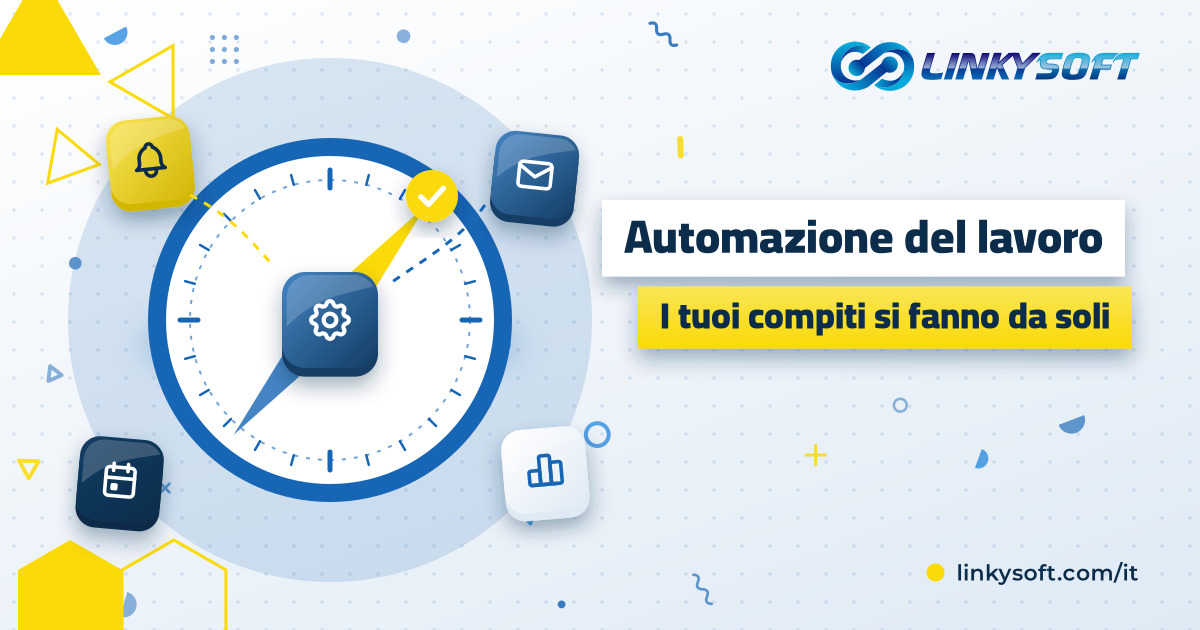
Applicazione Web Un programma informatico a cui accedi tramite il browser web su computer o smartphone senza installare software. Effettui l'accesso per gestire le attività quotidiane, dagli ordini ai report, e tutti i tuoi dati rimangono su un server sicuro. Leggi la definizione Automazione dei flussi di lavoro Quando un sistema o un'applicazione web svolge da solo i compiti ripetitivi di ogni giorno, come inviare avvisi e aggiornare i dati, invece di farli fare a mano a un dipendente ogni volta. Il risultato: meno errori e più tempo per il tuo team. Leggi la definizione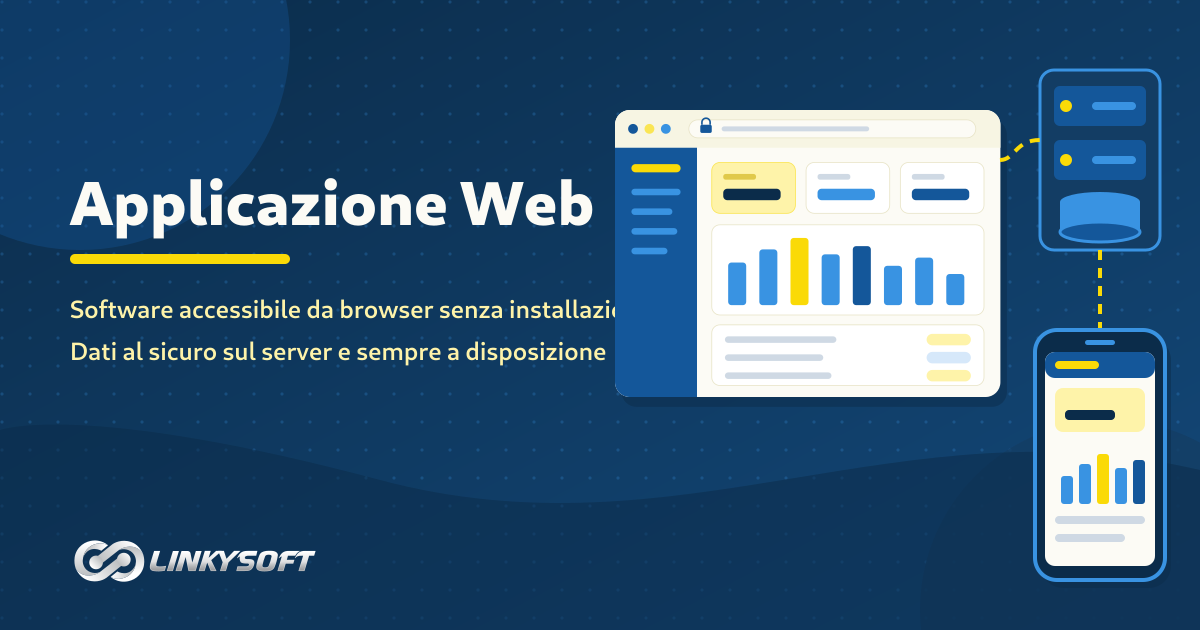
C
Codice sorgente File di testo contenenti le istruzioni di programmazione scritte dagli sviluppatori per indicare a server e dispositivi come eseguire un'applicazione. Leggi la definizione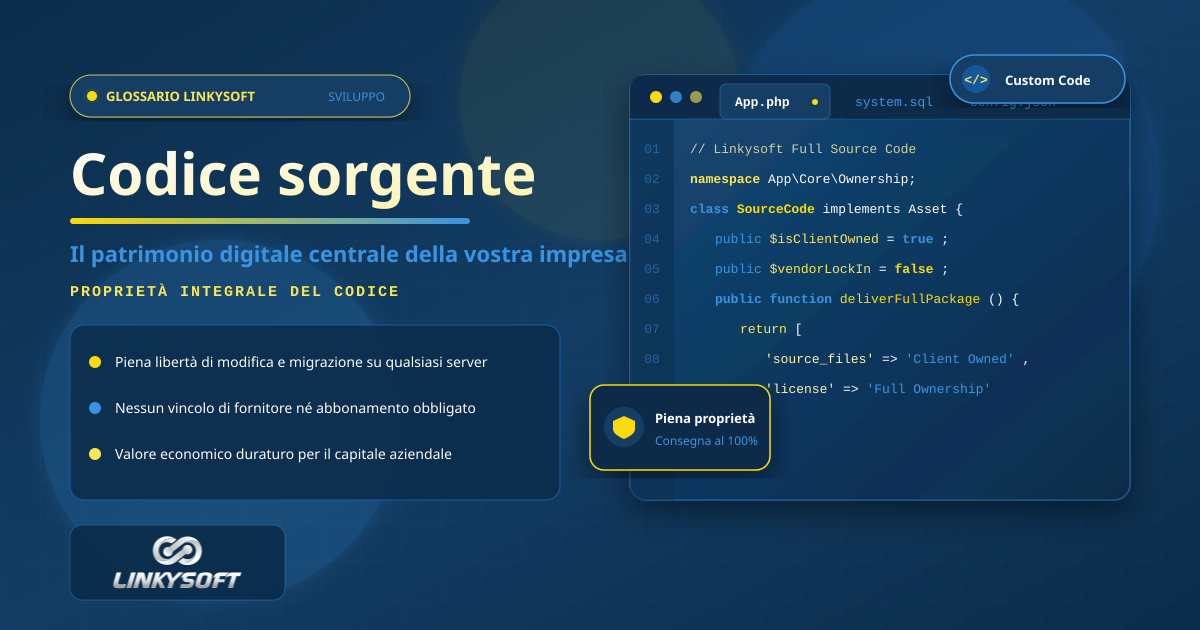
I
Interfaccia di Programmazione (API) API Ponte software che collega il tuo sito web o la tua applicazione a servizi esterni come gateway di pagamento e mappe, consentendo lo scambio rapido e sicuro di dati e istruzioni operative. Leggi la definizione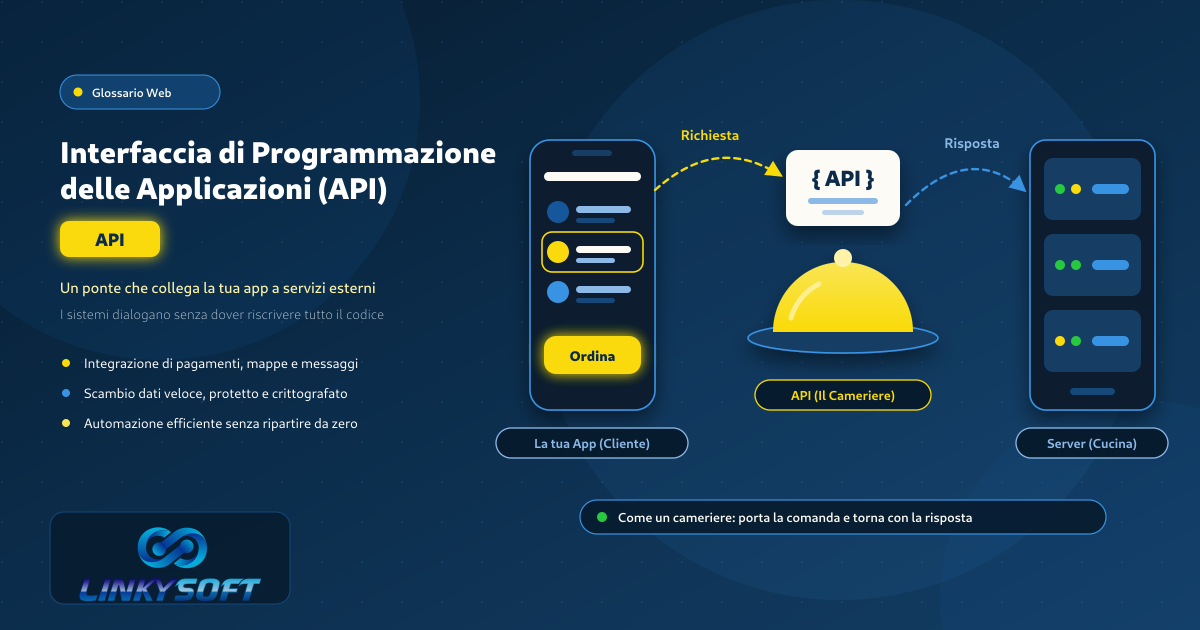
P
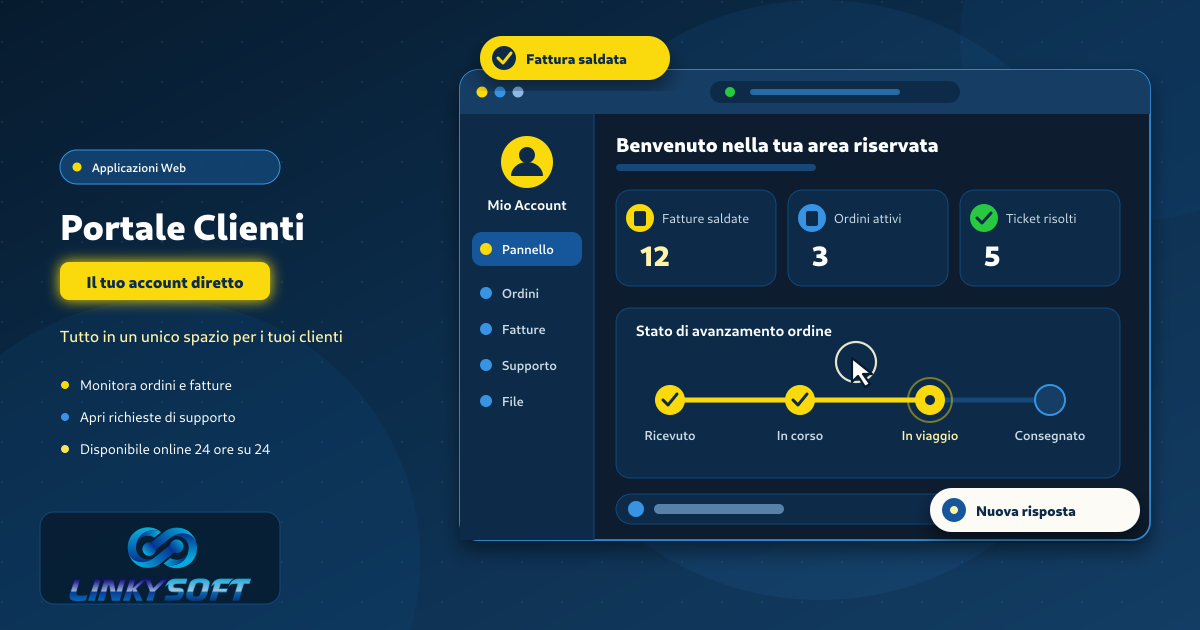
Pianificazione delle risorse aziendali (ERP) ERP Un software aziendale che unisce in un unico database le operazioni di magazzino, vendite, contabilità e risorse umane, offrendo una visione chiara e aggiornata per prendere decisioni rapide ed efficaci. Leggi la definizione Portale clienti Una pagina web protetta dove i clienti accedono per seguire gli ordini, consultare le fatture e inviare richieste all'assistenza a qualsiasi ora senza telefonare. Leggi la definizione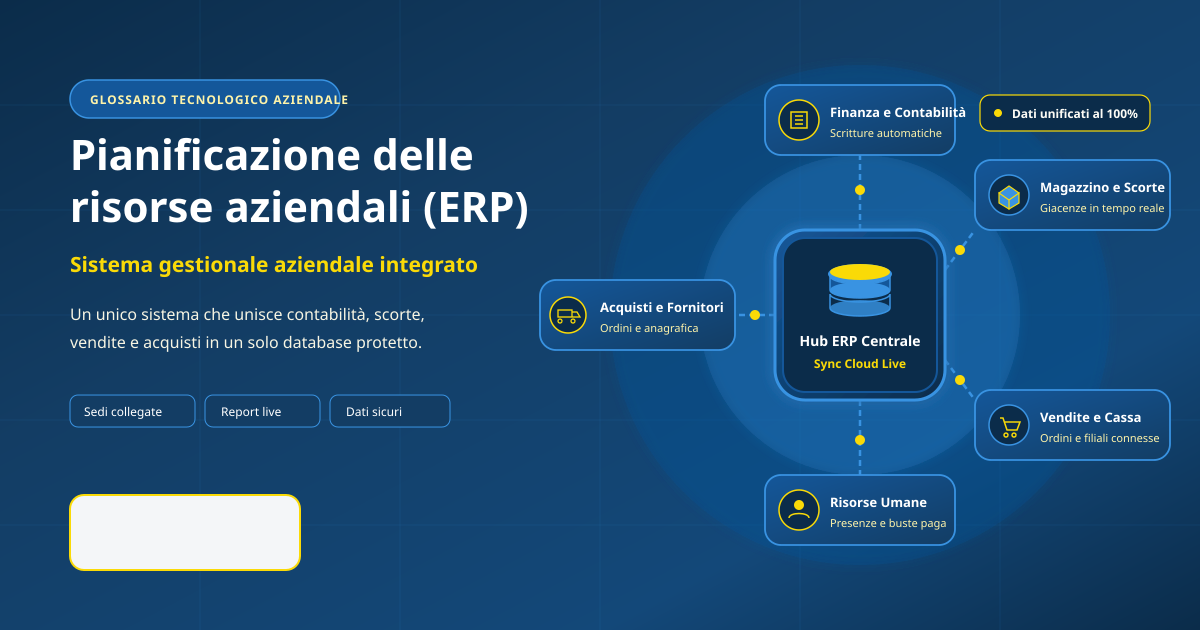
Altre aree tematiche
Web hosting Definizioni semplici delle parole dell'hosting che incontri quando metti online un sito: uptime, accordi sul livello di servizio, spazio di archiviazione, SSL e gli elementi di un piano hosting che decidono quanto un sito è veloce e affidabile. 2 Server Cosa fanno i server e i database che ospitano, in parole semplici: VPS e server dedicati, MySQL, PostgreSQL, MongoDB, Redis e i termini che servono quando gestisci un server tutto tuo. 4 Domini I nomi di dominio resi semplici: registrazione, DNS, nameserver, rinnovi, trasferimenti e le parole che servono per scegliere, collegare e proteggere l'indirizzo del tuo sito. 0 E-commerce Il linguaggio della vendita online: SKU, varianti di prodotto, carrelli abbandonati, tracciamento degli ordini, pagamenti, punto vendita e i numeri che mostrano come va davvero un negozio. 30 Cloud computing Il cloud computing e gli strumenti che ci portano il software: cos'è il cloud, come Docker e Kubernetes eseguono le applicazioni e come Git e CI/CD rendono sicuri i rilasci. 5 Social media Termini dei social media per le aziende: marketing su WhatsApp, campagne con influencer, annunci video e le parole per far crescere il pubblico e parlare con i clienti dove già si trovano. 3 Siti web I mattoni di un sito web in parole semplici: HTML, CSS, design responsive, layout da destra a sinistra e la differenza tra un sito web e un'applicazione web. 6 App mobili Le parole delle app mobili spiegate: app native e ibride, notifiche push, acquisti in-app, revisione negli store, sincronizzazione offline e cosa mantiene un'app aggiornata e sicura. 25 Sicurezza informatica I termini di sicurezza che ogni azienda dovrebbe conoscere: phishing, ransomware, crittografia, autenticazione a due fattori, zero trust, backup e le abitudini che proteggono dati e account. 35 Marketing digitale Termini del marketing digitale spiegati: tasso di conversione, landing page, funnel di vendita, campagne email, pay per click, attribuzione e i numeri che mostrano cosa funziona davvero. 26 Intelligenza artificiale L'intelligenza artificiale in parole semplici: machine learning, modelli linguistici di grandi dimensioni, chatbot e come le aziende usano l'AI per rispondere ai clienti e automatizzare il lavoro di ogni giorno. 4 Internet delle cose I termini dell'Internet delle cose resi semplici: dispositivi connessi, sensori, gateway e le parole dietro edifici intelligenti, tracciamento e macchine che comunicano da sole il proprio stato. 0 Linguaggi di programmazione Definizioni brevi e chiare dei linguaggi di programmazione dietro il software di oggi: Python, PHP, JavaScript, TypeScript, Java, Go, Rust, Kotlin, Swift, SQL e altri. 12 Framework I framework su cui lavorano gli sviluppatori, definiti in modo semplice: Laravel, Django, React, Next.js, Node.js, Flutter e cosa porta ciascuno a un progetto web o mobile. 6 Motori di ricerca Termini dei motori di ricerca spiegati: SEO, indicizzazione, sitemap, URL canonici, featured snippet, intento di ricerca e cosa aiuta un sito ad apparire su Google e nelle risposte dell'AI. 30 Interfacce utente Termini di interfaccia ed esperienza utente: prototipi, user experience, modalità scura e le scelte di design che rendono software e siti web facili e piacevoli da usare. 3