主题分类
网络安全
每个企业都应了解的安全术语:网络钓鱼、勒索软件、加密、双重身份验证、零信任、备份,以及保护数据和账户安全的好习惯。
本分类下有35个概念
网络安全
T
Two-Factor Authentication 2FA Two-factor authentication is a sign-in that asks for your password and then for something you are holding, so a stolen password alone is not enough to get in. 阅读定义
P
Phishing Phishing is a message built to look like it came from someone you trust, so that you hand over a password, a code or a payment. 阅读定义 Password Manager A password manager is a small program that remembers every password for you and keeps them locked away, leaving you just one to memorise. 阅读定义
A
Authenticator App An authenticator app is a free app on your phone that produces the six-digit code a website asks for after your password, so a stolen password is not enough. 阅读定义
S
SIM Swap Fraud SIM swap fraud is a scam in which a criminal moves your phone number onto their own SIM card, so your calls and security codes reach them instead. 阅读定义 Social Engineering Social engineering is an attack on the person rather than the computer, where someone uses fear or hurry to talk you into handing over a code or a payment. 阅读定义
I
Invoice Fraud Invoice fraud is a fake or altered supplier bill that gets you to pay a real amount into a bank account the criminal controls. 阅读定义
Q
QR Code Phishing (Quishing) QR code phishing, also called quishing, is a scam where a fake code is stuck over a real one so your phone opens a fake payment page. 阅读定义
S
Security Awareness Training Security awareness training is the short, regular practice that teaches your staff to spot a fake email or phone call before they act on it. 阅读定义
M
Malware Malware is any program written to damage your computer or to work quietly for someone else while you carry on using it. 阅读定义
R
Ransomware Ransomware is a program that locks every file on a company's computers and then demands a payment before it will hand them back. 阅读定义
K
Keylogger A keylogger is a hidden program that records every key someone types on a computer, including the password to the company bank account. 阅读定义
B
Backup A backup is a second copy of your files, kept somewhere safe from whatever destroys the first copy, so you can get your work back. 阅读定义
D
Disaster Recovery Plan DRP A disaster recovery plan is a short written document that says exactly what your business does, and who does it, on the morning the systems stop working. 阅读定义
L
Least Privilege Least privilege means each person can open only the screens their own job needs, so a stolen account cannot reach the rest of the business. 阅读定义
U
User Access Review A user access review is a regular check of who can still log into your systems, including the accounts nobody remembers creating. 阅读定义
O
Offboarding Offboarding is the security work a business does when someone leaves, closing every login and shared password they had so nothing stays open behind them. 阅读定义
Z
Zero Trust Zero trust is a way of working where nobody is trusted just for sitting inside the office, and every single login is checked again. 阅读定义
P
Patch Management Patch management is the habit of updating every program and device you use on a set plan instead of whenever someone remembers. 阅读定义
E
End-of-Life Software EOL End-of-life software is a program its maker has stopped repairing, so any weakness someone finds in it from that day on stays open forever. 阅读定义 Ethical Hacking Ethical hacking is an attack on your own system that you asked for and paid for, so a trusted expert finds the holes before a criminal does. 阅读定义
W
Web Application Firewall WAF A web application firewall is a filter that reads every request arriving at your website and blocks the ones that look like a known attack. 阅读定义
O
OWASP Top 10 The OWASP Top 10 is a free list of the ten mistakes that most often let a stranger into a website or a web application. 阅读定义
J
Jailbroken Device A jailbroken device is a phone whose built-in protections have been removed on purpose, which lets one app read what another app keeps private. 阅读定义
T
Third-Party Risk Third-party risk is the chance that your data leaks through a supplier, a freelancer or a plugin you trusted, rather than through your own team. 阅读定义
E
Encryption Encryption is a way of scrambling your information into nonsense, so that only the person holding the right key can read it again. 阅读定义
H
HTTPS HTTPS is the protected version of a web address, and it scrambles everything sent between a visitor's browser and your site so nobody in between can read it. 阅读定义
P
PCI Compliance PCI DSS PCI compliance is the set of safety rules that the card companies make every business follow before it is allowed to take card payments. 阅读定义
D
Data Breach A data breach is the moment private customer information leaves your control, whether a thief took it or someone simply sent it to the wrong address. 阅读定义
C
Cyber Insurance Cyber insurance is a policy that pays for the clean-up after an attack, as long as you kept the security promises you made on the application form. 阅读定义
G
GDPR GDPR GDPR is the European law that sets out how a business may collect, keep and use the personal information of the people it serves. 阅读定义
V
Vulnerability Scan A vulnerability scan is an automatic check that searches a website or an app for weaknesses attackers already know about and reports what it finds. 阅读定义 Virtual Private Network VPN A virtual private network is a sealed tunnel through a public connection, so what your staff send on café or hotel wifi cannot be read by anyone nearby. 阅读定义
Z
Zero-Day Vulnerability A zero-day vulnerability is a hole in software that has just been found and has no fix yet, so everyone using that part is exposed until one arrives. 阅读定义
S
SQL 注入 SQLi 一种针对网站的攻击方式:有人在表单、搜索框或网址里输入数据库命令,网站不加检查就照样执行,结果把本该保护好的客户资料和业务数据泄露出去,或者被随意修改,甚至被整批删除。 阅读定义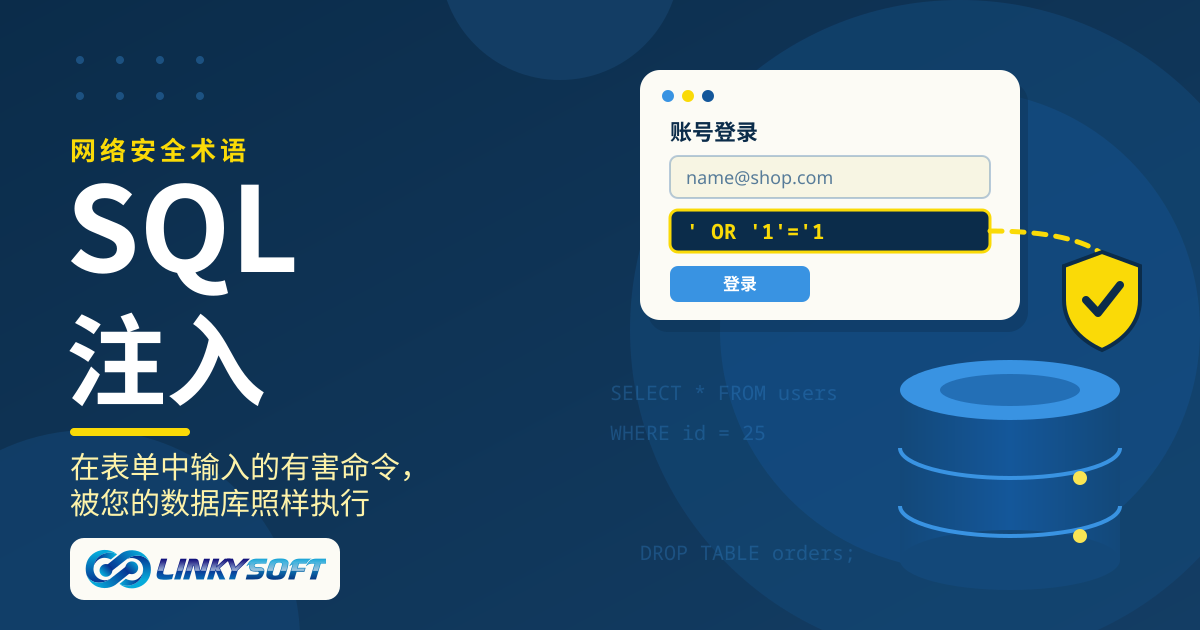
其他主题分类
网站托管 用通俗的话解释网站上线时会遇到的托管术语:正常运行时间、服务等级协议、存储空间、SSL,以及决定网站速度和稳定性的托管方案组成部分。 2 服务器 用通俗的话说明服务器及其上的数据库有什么作用:VPS与独立服务器、MySQL、PostgreSQL、MongoDB、Redis,以及自己运维服务器时需要了解的术语。 4 域名 让域名变得简单:注册、DNS、域名服务器、续费、转移,以及选择、绑定和保护网站地址时需要知道的术语。 0 电子商务 网上销售的常用语言:SKU、商品规格、弃购购物车、订单跟踪、支付、销售终端,以及真实反映店铺经营状况的各项数据。 30 云计算 云计算以及把软件发布到云端的工具:什么是云,Docker和Kubernetes如何运行应用,Git和CI/CD如何让每次发布更安全。 5 社交媒体 面向企业的社交媒体术语:WhatsApp营销、网红合作、视频广告,以及扩大受众、在客户常去的平台上与他们沟通时用到的词。 3 网站 用通俗的话讲清网站的基本组成:HTML、CSS、响应式设计、从右到左的页面布局,以及网站和网页应用的区别。 6 网页应用 企业开发或购买网页应用时会遇到的术语:API、仪表盘、用户角色、单点登录、部署、可扩展性以及软件的整体拥有成本。 29 移动应用 移动应用术语解释:原生应用和混合应用、推送通知、应用内购买、应用商店审核、离线同步,以及让应用保持更新和安全的要素。 25 数字营销 数字营销术语解释:转化率、落地页、销售漏斗、邮件营销、按点击付费、归因分析,以及真正反映营销效果的数据指标。 26 人工智能 用通俗的话讲人工智能:机器学习、大语言模型、聊天机器人,以及企业如何用AI回复客户、自动完成日常工作。 4 物联网 让物联网术语变简单:联网设备、传感器、网关,以及智能楼宇、资产追踪和能自动上报状态的机器背后的相关词汇。 0 编程语言 简明清楚地定义当今软件背后的编程语言:Python、PHP、JavaScript、TypeScript、Java、Go、Rust、Kotlin、Swift、SQL等。 12 开发框架 用通俗的话定义开发者常用的框架:Laravel、Django、React、Next.js、Node.js、Flutter,以及它们各自为网页或移动项目带来什么。 6 搜索引擎 搜索引擎术语解释:SEO、索引、网站地图、规范网址、精选摘要、搜索意图,以及帮助网站出现在Google和AI回答中的因素。 30 用户界面 用户界面与用户体验术语:原型、用户体验、深色模式,以及让软件和网站简单好用、使用愉快的设计选择。 3