主题分类
网页应用
企业开发或购买网页应用时会遇到的术语:API、仪表盘、用户角色、单点登录、部署、可扩展性以及软件的整体拥有成本。
本分类下有29个概念
网页应用
W
Web Application A web application is a program you use in a browser that does real work and remembers it, so it keeps your accounts, records and reports. 阅读定义
B
Backend The backend is the part of a system you never see, where the records are kept and the rules are checked for every screen that asks. 阅读定义
P
Progressive Web App PWA A progressive web app is a website that staff add to the phone's home screen and open like a normal app, with nothing to install from a store. 阅读定义
O
Offline Mode Offline mode is what a system keeps doing when the internet drops in the middle of a sale, so the work carries on until the connection returns. 阅读定义
M
Multi-Branch Management Multi-branch management is running two or more shops, clinics or gyms from a single system, so the owner can see every branch on one page. 阅读定义
U
User Roles and Permissions User roles and permissions decide who may do what inside a system, so a receptionist can book an appointment without ever seeing what the treatment cost. 阅读定义
A
Audit Trail An audit trail is the record a system keeps of who changed what and when, so an argument about a cancelled invoice can be settled in two minutes. 阅读定义
D
Dashboard A dashboard is the first screen a person sees after logging in, and a good one carries today's numbers and the decisions still waiting for an answer. 阅读定义
K
Key Performance Indicator KPI A key performance indicator is a single number you have chosen to watch because someone on your team can actually act on it. 阅读定义
S
Scalability Scalability is how well a system keeps its speed as more people use it at the same time, instead of slowing to a crawl. 阅读定义
C
Change Request A change request is anything you ask a software team to add or alter after the price was agreed and the work began. 阅读定义
V
Vendor Lock-In Vendor lock-in is what you discover on the day you try to change supplier and find out how little of your own system you actually own. 阅读定义
C
Cross-Platform App A cross-platform app is one system that opens in a browser, on an Android phone and on an iPhone, with all three sharing the same records. 阅读定义
P
Push Notifications A push notification is a short message that lands on someone's phone or browser without them opening your app, which is why they have to give permission first. 阅读定义
D
Data Synchronisation Data synchronisation is the work of keeping the same numbers on every device, so the phone in a van and the office computer never disagree. 阅读定义
J
Job Queue A job queue is the waiting line where a system parks heavy work, like five hundred invoices, so the screens people are using stay fast. 阅读定义
K
KPI Dashboard KPI A KPI dashboard is one screen holding the five or six numbers an owner checks each morning before deciding what to do that day. 阅读定义
S
Single Sign-On SSO Single sign-on is one username and password that opens every system a member of staff is allowed to use, on the computer and on the phone. 阅读定义
U
User Acceptance Testing UAT User acceptance testing is the buyer's own check of a new system before signing it off, run on the real machines over a few ordinary working days. 阅读定义
Z
Zero-Downtime Deployment A zero-downtime deployment puts a new version of a system live while customers keep using it, with a quick way back if something goes wrong. 阅读定义
T
Total Cost of Ownership TCO Total cost of ownership is what a system really costs over five years once hosting, support, changes and training are added to the build price. 阅读定义
R
REST REST REST is a way of designing web APIs where every item gets its own web address, so programs can read or change it with the same few standard actions. 阅读定义
T
Telemedicine Telemedicine is a doctor's visit by video call or chat instead of in the clinic, with the clinic system still handling the booking, notes and prescription. 阅读定义
W
Web应用程序 一种直接在电脑或手机浏览器中打开的软件,无需安装任何客户端。登录后即可处理订单、管理客户或查看报表等日常业务,所有数据均安全保存在中央服务器上,方便团队协同工作与随时随地访问。 阅读定义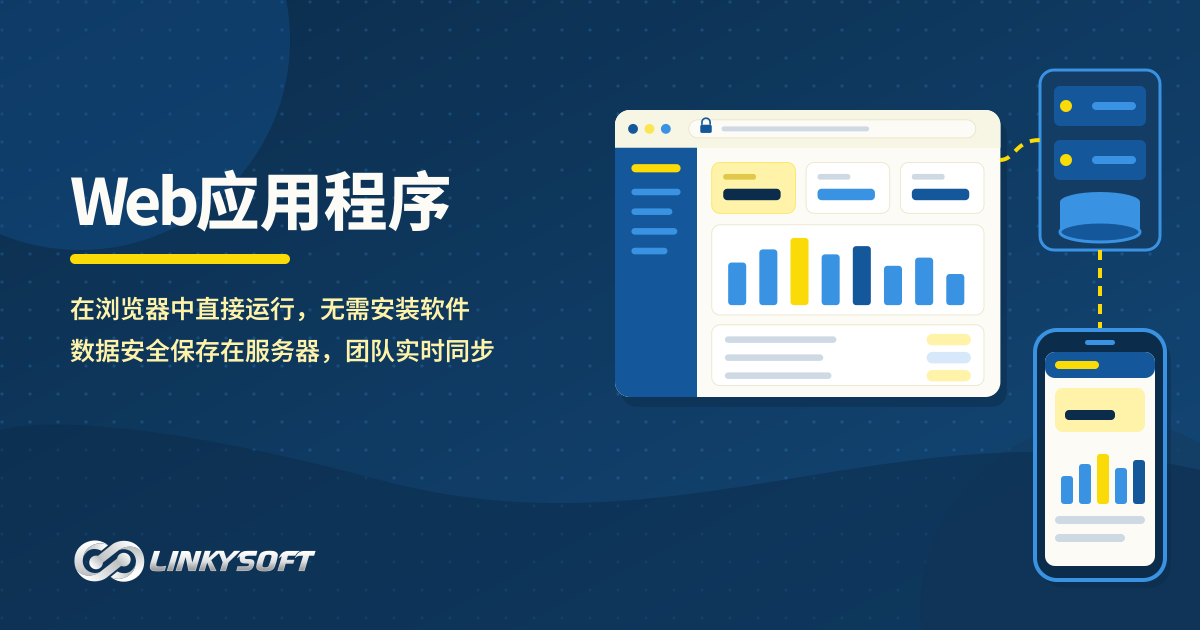
企
企业资源计划 (ERP) ERP 企业资源计划系统是一种先进的管理软件,它将企业的仓库库存、销售开单、财务核算和人力资源等各个部门紧密连接在同一个统一的数据库中,帮助企业管理者清晰跟踪日常各项业务运作并做出精准的商业决策。 阅读定义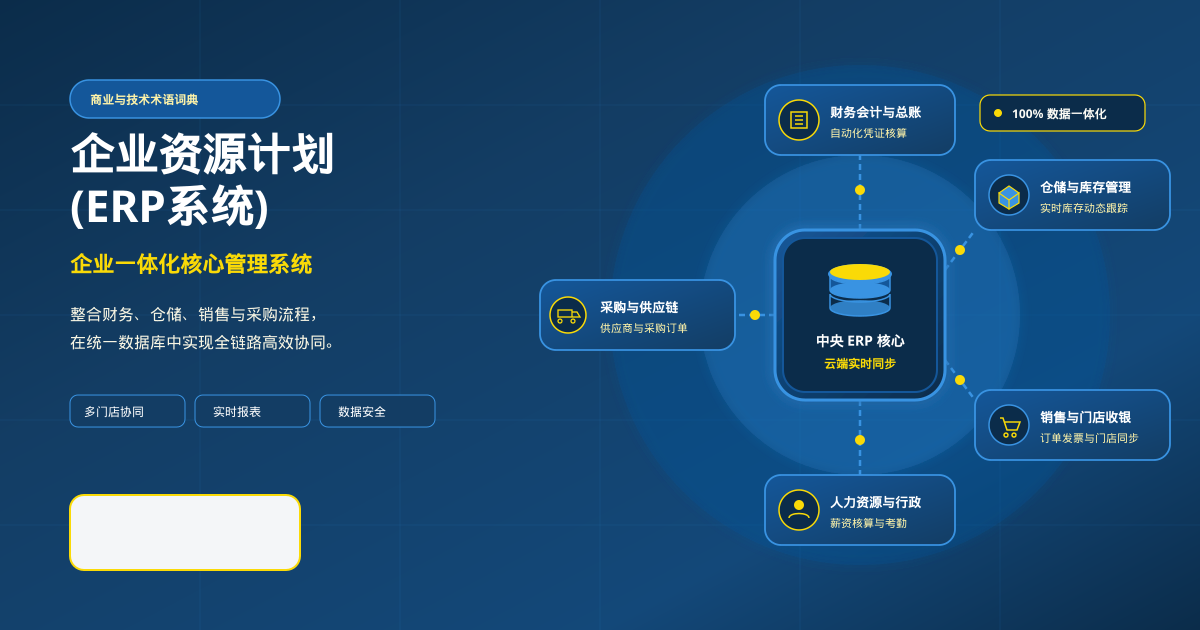
客
客户门户 专供企业客户登录的专属自助服务网页,客户能够随时随地在线查询订单交付进度、下载历史财务发票、上传项目所需文件,并向技术支持团队发送业务咨询工单,无需再拨打电话排队等待人工客服接听解答。 阅读定义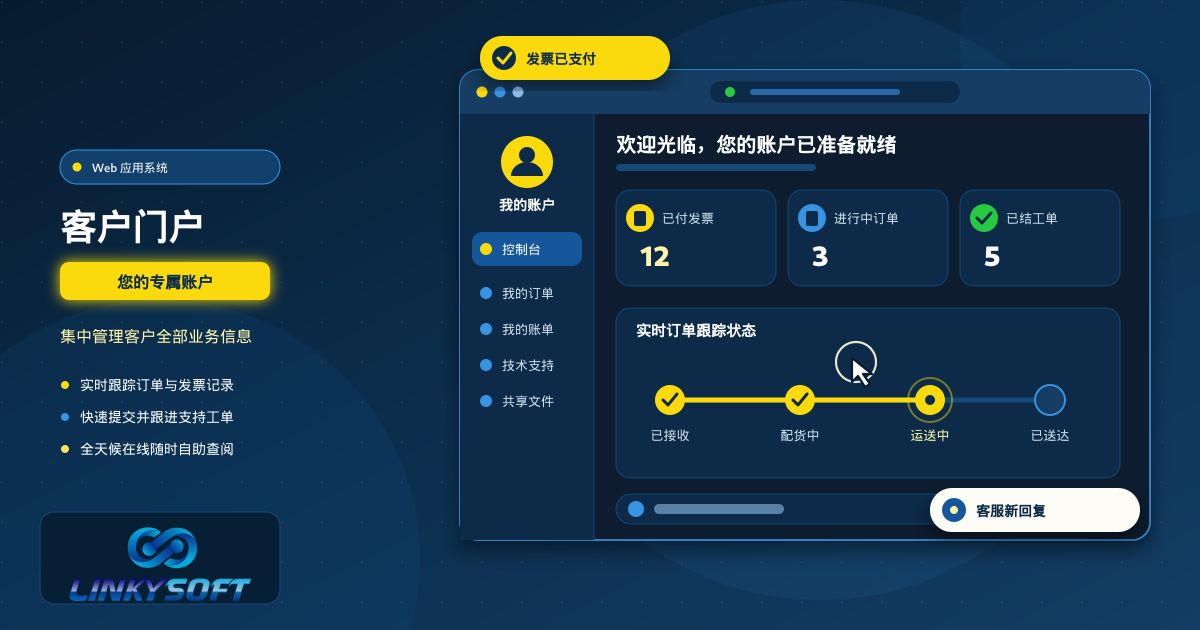
工
工作流自动化 系统或网页应用自动完成日常工作中每天重复的任务,比如发送提醒、更新记录,而不用员工每次都亲手一遍遍去做。这样一来,错误更少,您的团队也有更多时间专注于更重要的工作。 阅读定义
应
应用程序编程接口 (API) API 一种将您的企业网站或手机应用与在线支付网关、地图导航等第三方服务紧密连接的技术桥梁,让不同软件系统之间能够快速、安全地交换业务数据与指令,无需重新开发已有功能。 阅读定义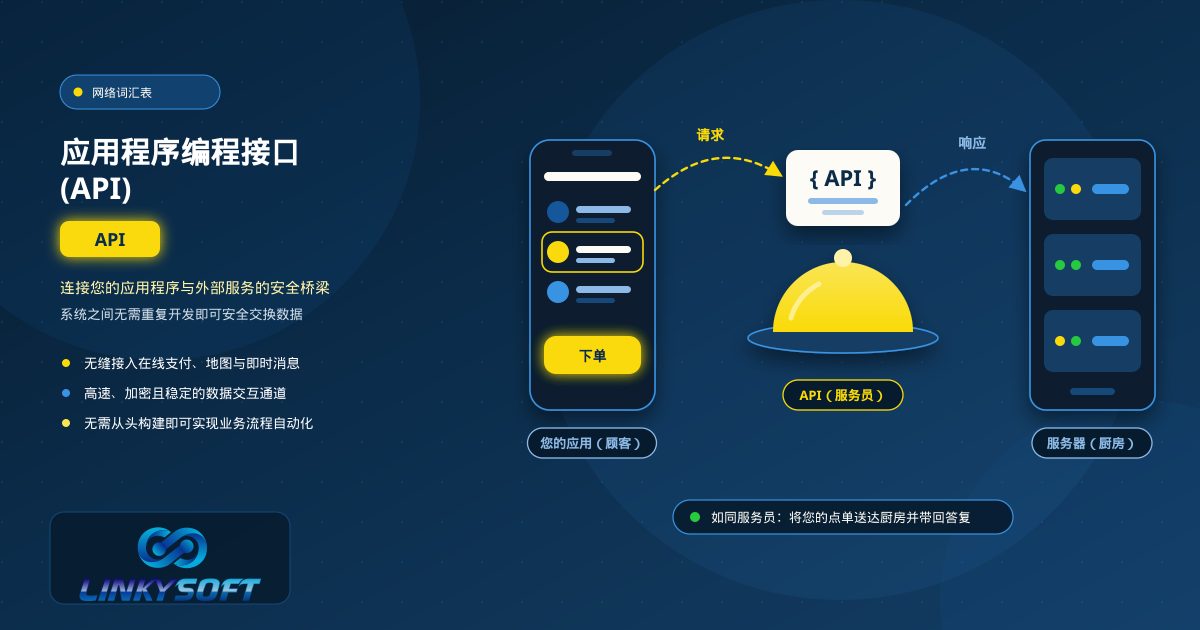
源
源代码 源代码是指由软件工程师使用特定编程语言编写的基础文本文件,其中包含了构建网站、网页应用或手机程序的核心指令与逻辑规则,指导服务器和用户设备如何正确执行系统的各项业务功能。 阅读定义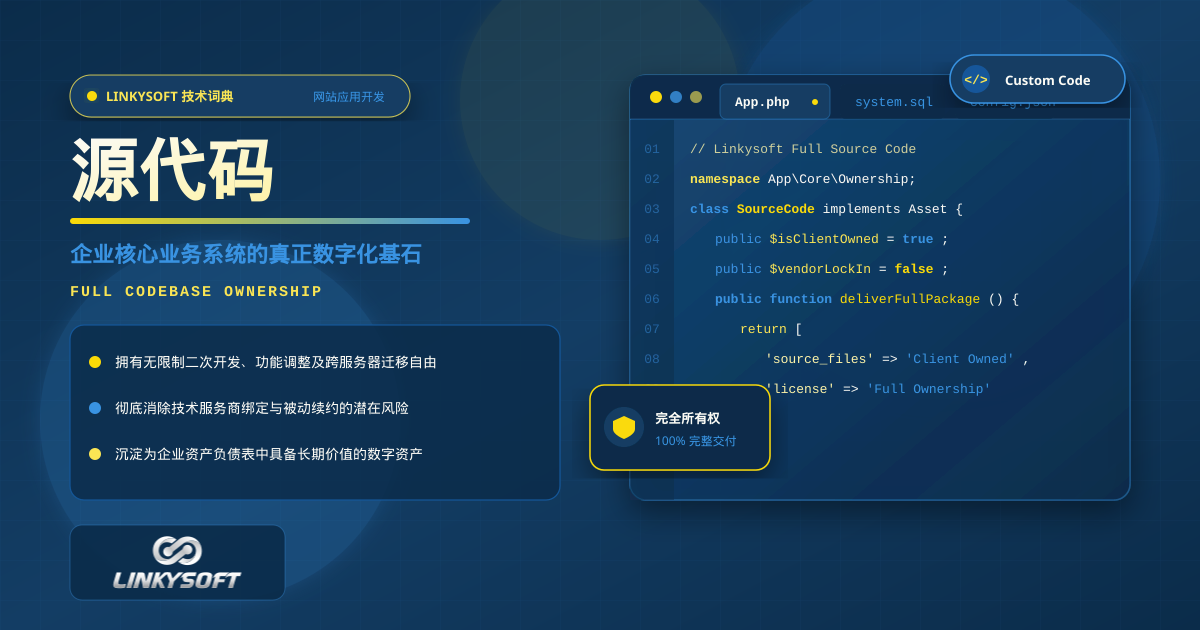
其他主题分类
网站托管 用通俗的话解释网站上线时会遇到的托管术语:正常运行时间、服务等级协议、存储空间、SSL,以及决定网站速度和稳定性的托管方案组成部分。 2 服务器 用通俗的话说明服务器及其上的数据库有什么作用:VPS与独立服务器、MySQL、PostgreSQL、MongoDB、Redis,以及自己运维服务器时需要了解的术语。 4 域名 让域名变得简单:注册、DNS、域名服务器、续费、转移,以及选择、绑定和保护网站地址时需要知道的术语。 0 电子商务 网上销售的常用语言:SKU、商品规格、弃购购物车、订单跟踪、支付、销售终端,以及真实反映店铺经营状况的各项数据。 30 云计算 云计算以及把软件发布到云端的工具:什么是云,Docker和Kubernetes如何运行应用,Git和CI/CD如何让每次发布更安全。 5 社交媒体 面向企业的社交媒体术语:WhatsApp营销、网红合作、视频广告,以及扩大受众、在客户常去的平台上与他们沟通时用到的词。 3 网站 用通俗的话讲清网站的基本组成:HTML、CSS、响应式设计、从右到左的页面布局,以及网站和网页应用的区别。 6 移动应用 移动应用术语解释:原生应用和混合应用、推送通知、应用内购买、应用商店审核、离线同步,以及让应用保持更新和安全的要素。 25 网络安全 每个企业都应了解的安全术语:网络钓鱼、勒索软件、加密、双重身份验证、零信任、备份,以及保护数据和账户安全的好习惯。 35 数字营销 数字营销术语解释:转化率、落地页、销售漏斗、邮件营销、按点击付费、归因分析,以及真正反映营销效果的数据指标。 26 人工智能 用通俗的话讲人工智能:机器学习、大语言模型、聊天机器人,以及企业如何用AI回复客户、自动完成日常工作。 4 物联网 让物联网术语变简单:联网设备、传感器、网关,以及智能楼宇、资产追踪和能自动上报状态的机器背后的相关词汇。 0 编程语言 简明清楚地定义当今软件背后的编程语言:Python、PHP、JavaScript、TypeScript、Java、Go、Rust、Kotlin、Swift、SQL等。 12 开发框架 用通俗的话定义开发者常用的框架:Laravel、Django、React、Next.js、Node.js、Flutter,以及它们各自为网页或移动项目带来什么。 6 搜索引擎 搜索引擎术语解释:SEO、索引、网站地图、规范网址、精选摘要、搜索意图,以及帮助网站出现在Google和AI回答中的因素。 30 用户界面 用户界面与用户体验术语:原型、用户体验、深色模式,以及让软件和网站简单好用、使用愉快的设计选择。 3