What does the padlock icon in the browser mean when opening a website?
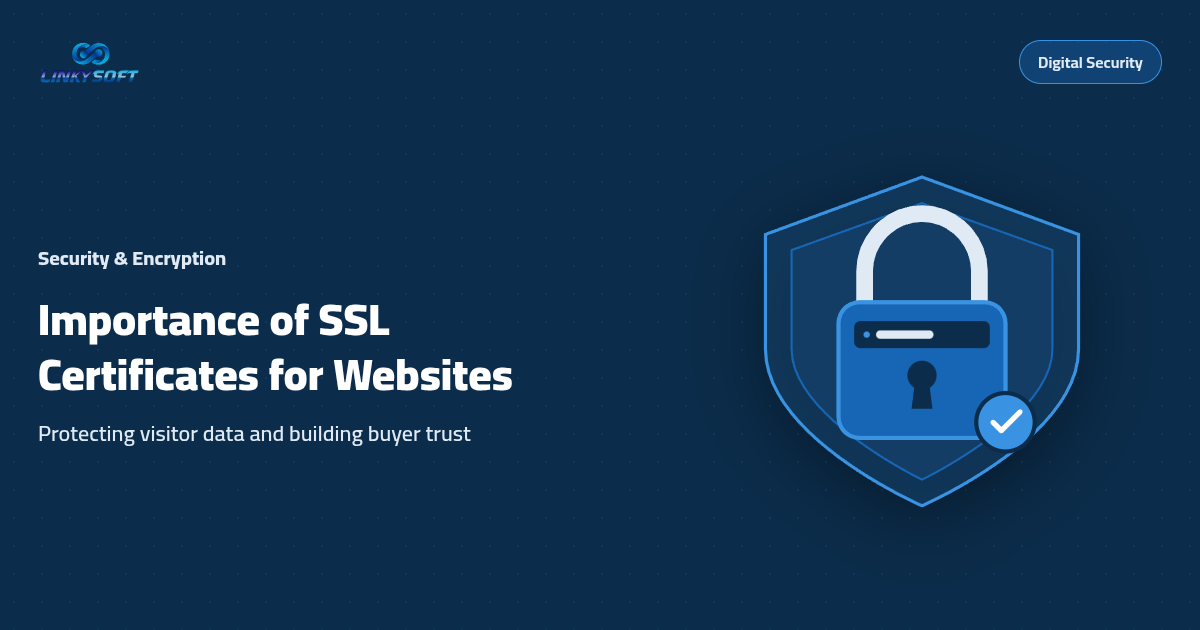
The importance of SSL certificates for websites becomes obvious right inside the address bar of every modern browser, where this small symbol confirms that an active layer of digital encryption protects every piece of exchanged data. This cryptographic safeguard guarantees the privacy and integrity of communications between your visitors and your servers without fear of eavesdropping or tampering. Seeing that padlock gives customers immediate reassurance, encouraging them to explore your catalog, submit contact details and complete purchases without hesitation.
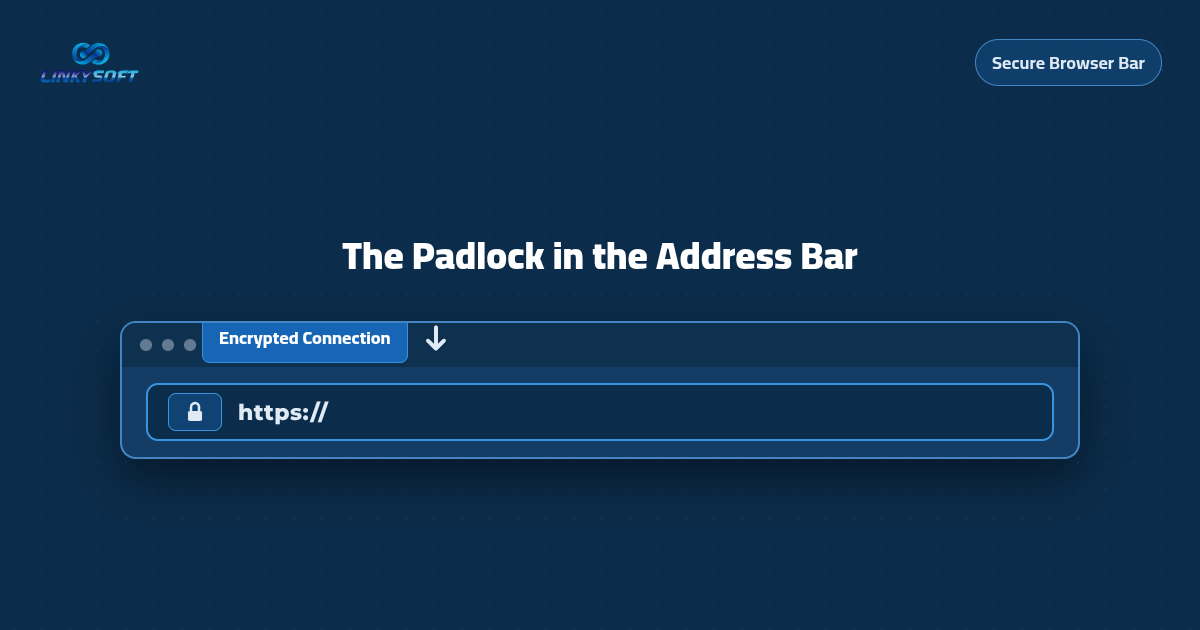
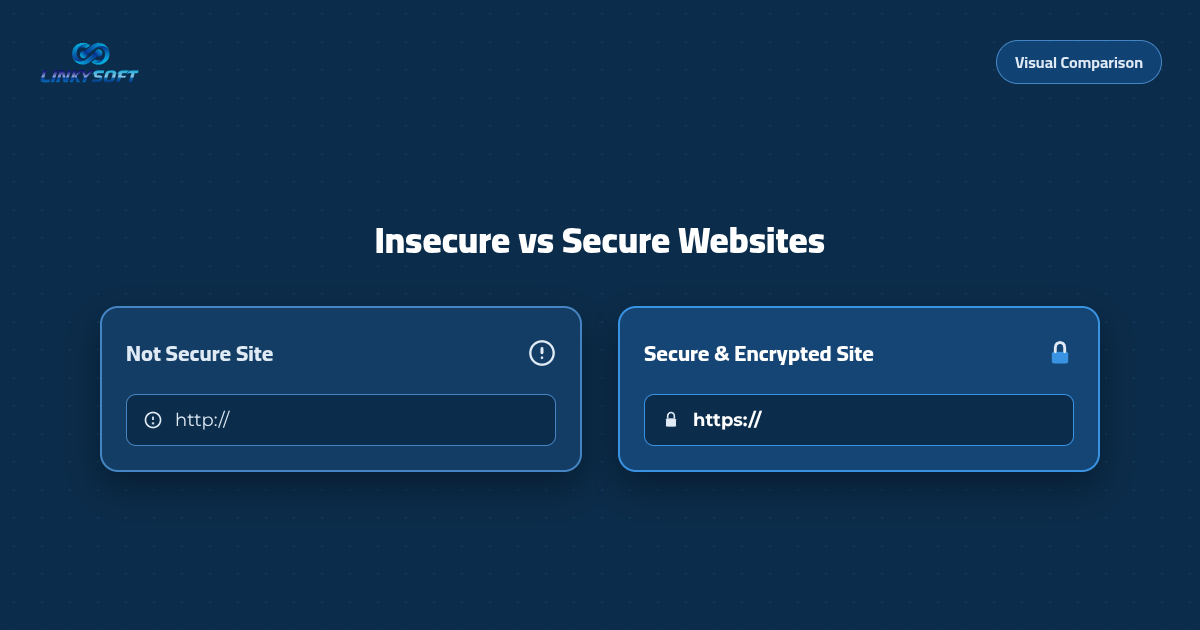
In contrast, the absence of an active certificate prompts modern browsers to display prominent red warning signs labeling the destination as insecure. Visitors leave in large numbers the moment they spot these warnings because they worry about stolen accounts or infected devices. No business venture can expand its revenue when potential buyers feel exposed upon arrival, making an SSL certificate an indispensable baseline for every organization that values its audience.
The true meaning behind the security lock beside your domain name
The padlock icon indicates that communication between a customer device and your web server travels through a fully encrypted digital tunnel. That tunnel ensures that form inputs, personal messages and financial credentials never travel across the internet as open text that intruders can inspect. The symbol acts as a stamp of technical quality, proving that your domain identity has been authenticated by an internationally recognized certificate authority.
This validation confirms the identity of the server, reassuring visitors that they are interacting with your real organization rather than a fraudulent copy or phishing page. Authenticating your domain protects brand equity and encourages users to create accounts and share their email addresses with confidence. A secure arrival turns curious traffic into lasting business relationships and dependable commercial transactions.
Warning notifications visitors encounter when encryption is missing
When someone visits an unprotected webpage, the browser displays a caution triangle or spells out the phrase Not Secure in bold letters. In many browsers, this warning expands into a full-page red barrier that forces users to navigate confusing advanced settings before proceeding. That frightening sight shatters the first impression of your enterprise, making people wonder whether management cares about basic safety standards.
Real-world shopping data shows that most prospective buyers close the browser tab immediately upon seeing these direct alerts and head to a competitor who maintains a protected platform. The resulting damage goes far beyond missing a single sale, as it leaves a lingering negative memory about your technical reliability. Installing an SSL certificate remains a simple protective step that eliminates costly drop-offs and keeps audience interest healthy.
How SSL security certificates work to protect visitor information
The way how SSL security certificates work relies on converting plain text and numbers into complex mathematical ciphertext before sending them across the public web. When a client types a login password or submits an order form, the browser scrambles those characters so that intermediate network nodes cannot read or interpret them. The process works like placing confidential paperwork inside a steel safe that only the intended recipient can open with a matching key.
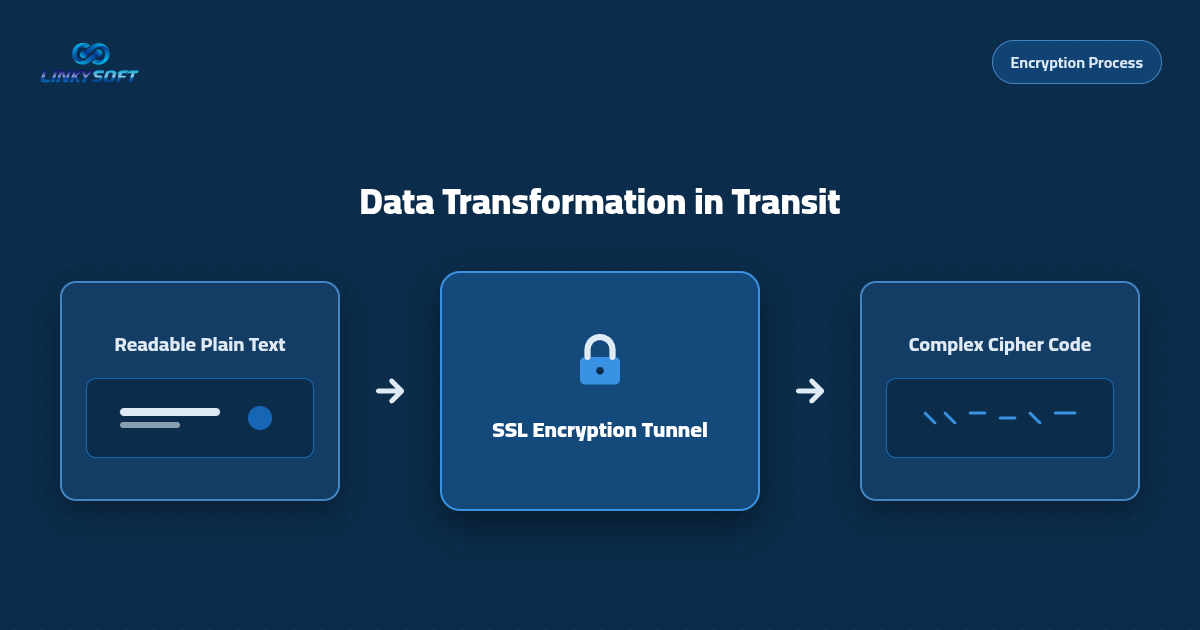
This technology uses an asymmetric key system pairing two related cryptographic keys, including a public key for encoding information and a private key for decoding it. This arrangement guarantees that data encrypted by the browser cannot be decrypted by unauthorized listeners along the transmission route. It stops network intermediaries and rogue Wi-Fi operators from snooping on customer sessions or injecting unwanted content into your pages.
How readable data transforms into unreadable code during transit
The transformation begins the moment a visitor clicks submit on an order form or account registration screen. The browser applies sophisticated mathematical algorithms that translate names, phone numbers and payment records into a chaotic sequence of random characters. If an intruder captures those data packets along the way, they see only disconnected symbols that provide zero actionable value.
This scrambled payload remains secure throughout its journey across undersea cables, cell towers and network switches around the globe. The computational work happens in small fractions of a second on modern processors, so visitors never experience perceptible lag during regular navigation. Business owners gain genuine peace of mind knowing that customer records stay shielded from prying eyes at every step of the journey.
The role of cryptographic keys in decoding messages on the server
When the encrypted message reaches your web server, the secret private key stored securely inside the hosting environment decrypts the package back into clear information. The server alone possesses the mathematical capability to decode the message, allowing your backend application to record the order or complete user authentication safely. The system automatically rejects any payload altered in transit, defending against data modification attacks.
This process includes a mutual verification step known as an SSL handshake, during which the client and server confirm each other before transferring sensitive records. The handshake ensures that the communication path is authentic and that no imposter impersonates your legitimate infrastructure. This reliable coordination creates a stable digital environment that protects your commercial interests and visitor privacy at all times.
Benefits of SSL certificates for data protection and business growth
The core benefits of SSL certificates for data protection deliver tangible business rewards that extend well beyond technical compliance into direct revenue expansion. When shoppers trust the security of your checkout funnel, they feel comfortable entering card numbers and finalizing purchases without second thoughts. Creating a reassuring purchasing environment remains the primary driver that converts one-time visitors into repeat customers who return to your digital storefront.
These advantages also reflect directly on search visibility, because search engines favor HTTPS destinations when awarding top positions on results pages. Earning higher rankings attracts qualified organic traffic without requiring continuous increases in paid advertising budgets. An SSL certificate operates as a protective shield for your reputation and an essential investment that reduces customer acquisition expenses while lifting lifetime value.
The impact of SSL certificates on customer trust and buying decisions
Modern consumers understand the risks of digital fraud and identity theft much better than they did in previous years. When a shopper notices that a website lacks the padlock icon, skepticism immediately clouds their opinion of product quality and company legitimacy. The padlock removes that psychological friction, improving checkout completion rates and reducing cart abandonment at the critical payment step.
This sense of safety translates into positive customer reviews across social media platforms and independent evaluation portals. Buyers appreciate dealing with an organized enterprise that treats contact numbers and residential addresses with respect and confidentiality. Trust serves as the primary currency of digital commerce, and an SSL certificate is the first credential you present to prove professionalism and good faith.
Improving search engine visibility and Google rankings
Google has stated clearly that HTTPS is a foundational signal within the ranking algorithms used to order search results. Sites that neglect security certificates struggle to compete against protected platforms and gradually lose their natural visibility to searchers. Activating your certificate allows search engine spiders to crawl and index your content with confidence, improving the crawl budget assigned to your domain.
Higher rankings also correlate with better user engagement metrics and longer time spent on page without abrupt bounces. When visitors arrive at a fast, secure website free of unsettling alerts, they spend more time reviewing your articles and exploring your product catalog. This positive user behavior sends strong signals to search algorithms, supporting steady rank improvements for your target commercial terms.
How to secure a website and close weaknesses with our security team
Understanding how to secure a website requires a broader perspective than simply installing a security certificate, embracing a layered defense across all components of your digital footprint. The Cybersecurity team at Linkysoft provides specialized assessments that inspect servers and software for hidden weaknesses before attackers discover them. We assist companies and growing institutions in closing open doors and hardening legacy code against sophisticated modern breach attempts.
We work in line with recognized international standards such as the OWASP framework and NIST guidance to assess risks and establish clear remediation priorities. We do not stop at delivering theoretical audit reports; our engineers guide your staff through practical fixes to verify that software defenses hold firm. We also deliver high-performance hosting environments that come with pre-configured security certificates through Hostrena, guaranteeing continuous uptime and reliable server protection.
Comprehensive penetration testing to detect weaknesses before attackers
Our security specialists carry out controlled simulations of real cyberattacks targeting your web portals, mobile apps and backend APIs. This structured assessment uncovers penetration vectors that regular software developers overlook during initial build phases or third-party service integrations. We pinpoint weaknesses inside input forms, session handlers and authentication routes to block code injection attempts and unauthorized privilege escalation.
Following the assessment, clients receive an actionable report written in straightforward business language detailing identified risks alongside clear remedies. We retest the application once modifications are implemented to ensure that every identified hole is closed and the platform is ready for production traffic. Routine testing provides a dependable shield that protects your commercial standing and prevents unexpected operational disruptions.
Continuous server monitoring and web application firewall management
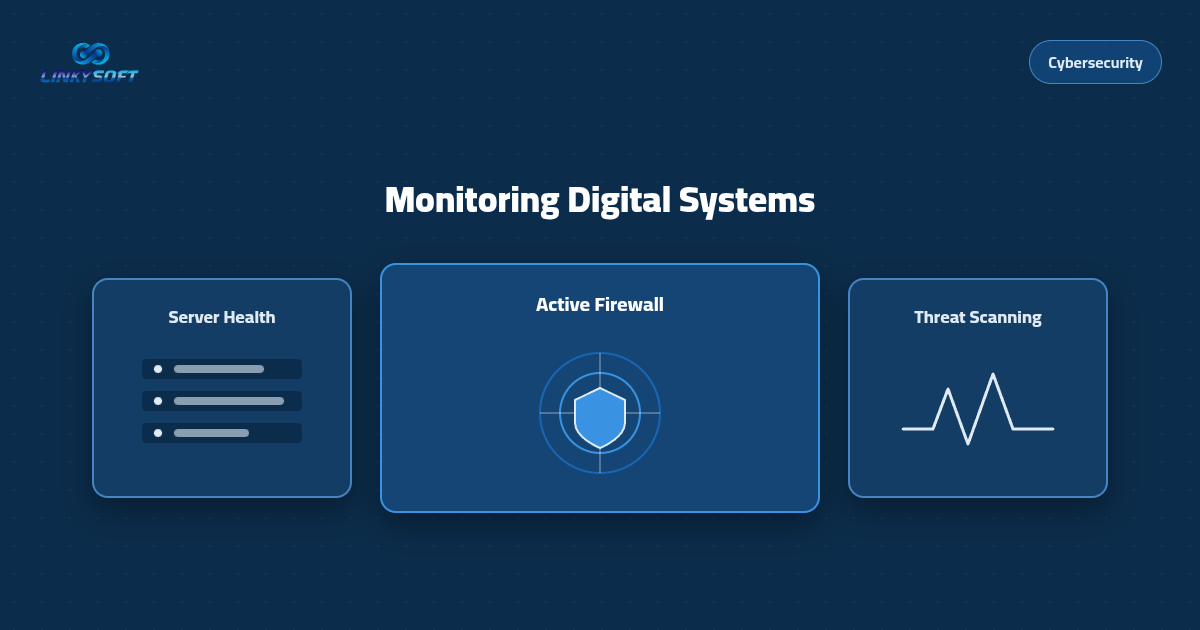
Digital threats evolve constantly, which makes active monitoring an absolute requirement for any company operating services over the internet. We configure and maintain web application firewalls that serve as an intelligent gatekeeper, automatically filtering out malicious requests, scrapers and harmful traffic floods. These firewall defenses protect against denial-of-service attempts that seek to exhaust server capacity and knock your website offline.
Our monitoring team watches server activity throughout the day to address abnormal traffic patterns the moment they appear. We update firewall rule sets regularly to counteract emerging attack patterns circulating within international threat intelligence circles. This sustained care ensures that your digital presence remains fast, responsive and dependable for real customers throughout the year.
Custom software systems built with high security standards for business growth
True protection starts with the very first line of code written for your website rather than an external patch added after launch. At Linkysoft, our Website Design & Development service delivers completely bespoke web experiences designed around your brand identity and business targets. We build websites from scratch without relying on bloated off-the-shelf templates that introduce security flaws, slow down page speeds and invite attack attempts.
We also engineer Web Applications & Management Systems that coordinate operations across growing enterprises and established institutions. Our systems feature strong encryption for data in transit and at rest, coupled with granular access control rules tailored to employee duties. For shop owners and retail operations, our Storek platform provides comprehensive point of sale, stock tracking and online store management securely in the cloud.
Website design and development with distinctive identity and total protection
Our development team merges contemporary visual aesthetics with strict data security standards and responsive layouts optimized for mobile devices. Every template is tested across various screen sizes to guarantee consistent usability for every customer. We integrate search engine optimization guidelines and fast page loading performance directly into the source code to support your business acquisition goals.
Clients retain full ownership of their finished designs, unique content and underlying source code without restrictive proprietary locks or unexpected ongoing fees. We provide clear administrative panels that allow your internal team to manage pages and catalogs without technical expertise. A custom website stands as a proud digital headquarters that strengthens your market position and sets your offerings apart from competitors.
Web applications and management systems that organize operations and data
Cloud management systems consolidate sales, accounting, warehouse inventory and human resources into a single unified business platform. We construct these applications using proven programming frameworks that maintain rapid responsiveness and scale smoothly as your operations expand. The platform lets you monitor live performance indicators, issue invoices and track cash flows from your phone wherever you happen to be.
All administrative systems we produce feature two-factor authentication and detailed audit logs that record every change made to sensitive records. Databases are isolated and encrypted backups are generated regularly on separate storage systems to protect against accidental information loss. This dependable engineering keeps daily operations running smoothly while safeguarding confidential financial and commercial records.
Common questions business owners ask about digital security certificates
Business owners and site administrators frequently ask practical and technical questions regarding the setup, cost and commercial impact of digital security certificates. This section addresses the most common questions in clear language to assist you in making informed decisions about protecting your online operations. Understanding these realities removes confusion and provides a clear view of the security priorities required for digital success.
These straightforward clarifications also help you evaluate hosting providers and developers with confidence, ensuring that you select the exact services your project needs without paying for unnecessary extras. The answers below review the most important facts concerning the browser padlock and the HTTPS standard.
Is an SSL certificate alone enough to protect a website from every threat?
An SSL certificate protects data while it travels between the browser and the server, but it does not fix software flaws or stop weak password guessing. You should complement the certificate with extra defenses like application firewalls and prompt software patch updates. Multiple layers of defense form a reliable barrier that protects stored databases from unauthorized internal access.
You should also schedule periodic reviews of server access permissions and monitor failed login attempts to stop automated dictionary attacks. Maintaining encrypted offsite backups ensures that you can restore normal operations rapidly if an unexpected technical problem occurs. Security is a continuous process that begins with network encryption and succeeds through steady maintenance.
What is the difference between standard HTTP and secure HTTPS?
Standard HTTP transmits information between the browser and the host server as readable text that anyone on the same network can intercept. Secure HTTPS introduces an encryption layer powered by an SSL certificate that shields data from interception and alteration. This critical difference ensures the privacy of financial transactions and personal client records.
An encrypted connection prevents attackers from tampering with webpage content or injecting malicious scripts without the knowledge of the website owner. Secure protocols also provide faster page rendering through modern compression methods compared to older legacy protocols. Moving your website to HTTPS is an essential step that should never be delayed.
How long does it take to install a security certificate on a web server?
Installing a standard digital security certificate takes only a few minutes on modern hosting platforms that provide automated installation tools. Most control panels allow administrators to turn on encryption and set up automatic renewals with a few clicks. Custom server environments that require manual configuration may require about an hour of developer attention.
Certificates that involve business identity verification and legal background reviews may take two to five business days to complete. Our engineers test every web link after installation to confirm that encryption covers all subdomains and media assets. The process concludes by redirecting all incoming traffic to the secure address without interrupting live service.
Does a security certificate slow down website page speed?
A digital security certificate does not slow down page loading times, and newer protocol standards actually accelerate server response. The modern HTTPS protocol uses efficient multiplexing that allows multiple site assets to download simultaneously over a single network connection. This smart engineering cuts latency and improves the browsing experience for mobile phone users.
Encryption and decryption routines run through lightweight algorithms that consume negligible processor resources on user devices and servers alike. Combining an SSL certificate with fast hosting infrastructure and optimized database queries makes a secure site run noticeably faster than older unencrypted setups. Modern certificates achieve an ideal balance between rigorous protection and rapid performance.
How do customers react when a website shows a Not Secure warning?
Customers typically exit the page immediately when they encounter a yellow warning triangle or a red alert stating that the site is not secure. Visitors refuse to submit personal contact details or enter credit card credentials into forms out of concern for fraud. This alarming experience drives buyers away permanently, sending them straight to competitors who provide a protected shopping environment.
The warning leaves a negative impression that management is careless with customer privacy or running an illegitimate operation. That damaged reputation is difficult to rebuild even if your physical products are high quality and competitively priced. Keeping the padlock active ensures that visitors stay engaged with your store and feel confident throughout their shopping journey.
Actionable steps you can take today to protect your commercial website
Protecting your online commercial operations begins with straightforward practical checks that ensure your platform and visitor information stay free from preventable risks. You can verify your current security status right now by opening your website in a browser and checking the address bar for the padlock icon and error warnings. Performing routine security checks saves substantial time and money by resolving issues before they impact sales.
We recommend a systematic approach that combines expert guidance with routine software updates to achieve lasting security that supports business expansion. Below are two practical stages you can start today to strengthen your defenses and improve customer confidence.
Review your security certificate status and check its renewal date
Verify that every page across your website, especially login screens and payment checkouts, opens over an encrypted HTTPS connection. Click the padlock icon in the address bar to inspect certificate details and note the expiration date to avoid accidental downtime. Make sure that automatic renewal is active inside your hosting dashboard so that protection continues uninterrupted.
Check that internal links for images, stylesheets and scripts point to secure URLs to avoid mixed content warnings that hide the padlock. Enable permanent server redirects so that visitors who type the old HTTP prefix are routed automatically to the secure destination. Taking these initial steps ensures dependable protection and presents a professional image to every visitor.
Request a specialized security consultation to evaluate your platform
If you run an online store or an internal management system containing financial transactions and client records, a professional evaluation is an invaluable safeguard. Reach out to the specialists at Linkysoft for a comprehensive security review that inspects server ports and evaluates web applications for hidden vulnerabilities. Early diagnosis lets you resolve technical concerns calmly and cost-effectively before they become serious operational headaches.
Our team provides a clear development roadmap aimed at strengthening defenses, accelerating load speeds and improving search visibility. You can get started today by scheduling a free consultation to review your project goals and discover software solutions tailored to your operational needs. Investing in sound technical security builds a durable foundation that wins customer trust for years to come.