

Knowledge base
The glossary
Every term we use with clients, defined plainly. Browse a subject area, jump to a letter, or search.
- 220 concepts
- 17 subject areas
Browse by subject
Each area collects the concepts that belong together.
Web Hosting Plain definitions of the web hosting words you meet when you put a website online: uptime, service level agreements, storage, SSL and the parts of a hosting plan that decide how fast and reliable a site is. 2 Servers What servers and the databases on them do, in plain words: VPS and dedicated machines, MySQL, PostgreSQL, MongoDB, Redis and the terms you need when you run your own server. 4 Domains Domain names made simple: registration, DNS, nameservers, renewals, transfers and the words you need to choose, connect and protect your website's address. 0 E-commerce The language of selling online: SKUs, product variants, abandoned carts, order tracking, payments, point of sale and the numbers that show how a store is really doing. 30 Cloud Computing Cloud computing and the tools that ship software to it: what the cloud is, how Docker and Kubernetes run applications, and how Git and CI/CD keep releases safe. 5 Social Media Social media terms for businesses: WhatsApp marketing, influencer campaigns, video ads and the words behind growing an audience and talking to customers where they already are. 3 Websites The building blocks of a website in plain words: HTML, CSS, responsive design, right-to-left layouts and how a website differs from a web application. 6 Web Applications Terms you meet when a company builds or buys a web application: APIs, dashboards, user roles, single sign-on, deployment, scalability and the cost of owning software. 29 Mobile Apps Mobile app words explained: native and hybrid apps, push notifications, in-app purchases, app store review, offline sync and what keeps an app updated and secure. 25 Cybersecurity Security terms every business should know: phishing, ransomware, encryption, two-factor authentication, zero trust, backups and the habits that keep data and accounts safe. 35 Digital Marketing Digital marketing terms explained: conversion rate, landing pages, sales funnels, email campaigns, pay per click, attribution and the numbers that show what really works. 26 Artificial Intelligence Artificial intelligence in plain words: machine learning, large language models, chatbots and how businesses use AI to answer customers and automate everyday work. 4 Internet of Things Internet of Things terms made simple: connected devices, sensors, gateways and the words behind smart buildings, tracking and machines that report their own status. 0 Programming Languages Short, clear definitions of the programming languages behind today's software: Python, PHP, JavaScript, TypeScript, Java, Go, Rust, Kotlin, Swift, SQL and more. 12 Frameworks The frameworks developers build on, defined plainly: Laravel, Django, React, Next.js, Node.js, Flutter and what each one brings to a web or mobile project. 6 Search Engines Search engine terms explained: SEO, indexing, sitemaps, canonical URLs, featured snippets, search intent and what helps a website appear in Google and AI answers. 30 User Interfaces User interface and experience terms: prototypes, user experience, dark mode and the design choices that make software and websites easy and pleasant to use. 3










Most read
Where people start.
Loyalty Program A loyalty program is a scheme that pays customers for coming back, usually in points they can spend on a later purchase. E-commerce Coupon Code A coupon code is a short word or number that a customer types at checkout so the shop takes an agreed amount off the order. E-commerce CSS CSS CSS is the language that decides how a web page looks, and because it sits in its own file, one change there restyles every page at once. Websites Chatbot A software assistant that talks with visitors by text or voice on a website or messaging app to answer questions, take orders, or book appointments at any hour. Basic versions follow fixed button menus, while AI versions understand everyday language. Artificial Intelligence PHP PHP is a programming language that builds a web page on the server before sending it to your screen, and much of the web still works that way. Programming Languages App Store Review App store review is the check that Apple and Google run on every app and every update before they let it into their store. Mobile Apps Two-Factor Authentication 2FA Two-factor authentication is a sign-in that asks for your password and then for something you are holding, so a stolen password alone is not enough to get in. Cybersecurity Rust Rust is a programming language that refuses to build your program at all if it contains the memory mistakes behind most serious security holes. Programming Languages JavaScript JavaScript is the language every web browser understands on its own, which is why anything that changes on a page without reloading it is written in it. Programming Languages Artificial Intelligence AI Artificial intelligence is software that works out useful answers from examples, instead of following rules that a person wrote out in advance. Artificial Intelligence MySQL MySQL is the most widely used free database in the world, and it is where a website keeps its customers, orders and prices in tidy tables. Servers TypeScript TypeScript is JavaScript with labels on the data, so a mistake is caught while the code is still being written instead of after it reaches customers. Programming Languages
All concepts, A to Z
P
Product Photography Product photography is how you show an item to someone who cannot pick it up, so the pictures have to do the touching for them. Read the definition Product Variants Product variants are the different versions of one product, such as the same shirt in small blue or in medium black, each counted on its own. Read the definition Progressive Web App PWA A progressive web app is a website that staff add to the phone's home screen and open like a normal app, with nothing to install from a store. Read the definition Push Notification A push notification is a short message your system sends to a phone while your app is closed, so the person reads it without opening anything. Read the definition Push Notifications A push notification is a short message that lands on someone's phone or browser without them opening your app, which is why they have to give permission first. Read the definition Python Python is a programming language written to read almost like plain English, which is why it became the usual choice for data work, automation and artificial intelligence. Read the definition
Q
QR Code Phishing (Quishing) QR code phishing, also called quishing, is a scam where a fake code is stuck over a real one so your phone opens a fake payment page. Read the definition QR Code Scanning QR QR code scanning lets a phone camera read a printed square of dots, so a price, ticket or stock item appears without anyone typing a number. Read the definition Qualified Lead A qualified lead is an enquiry you have checked, so you know the person asking could genuinely buy from you before a salesperson calls them. Read the definition Quality Content Quality content is writing that leaves the reader satisfied, which usually means real experience on the page and nothing added just to reach a word count. Read the definition Quick Commerce Q-commerce Quick commerce is selling with delivery counted in minutes instead of days, so the hard part is not the driver but knowing exactly what is on your shelves. Read the definition

R
Ranking Factors Ranking factors are the handful of things a search engine really weighs when it decides which page deserves to sit at the top of the results. Read the definition Ransomware Ransomware is a program that locks every file on a company's computers and then demands a payment before it will hand them back. Read the definition React React is a free tool from Meta that builds browser screens out of small reusable pieces, so you describe the result and React works out the changes. Read the definition Redis Redis is a store that keeps data in the computer's memory instead of on a disk, so the same expensive question can be answered instantly the second time. Read the definition Remarketing Remarketing is showing your advert again to people who visited your site and left without buying, so your offer meets them somewhere else online. Read the definition Responsive Web Design RWD A web development approach that automatically adjusts page layouts, text sizes, and images to fit any screen, from small smartphones to large desktop monitors, without manual zooming or horizontal scrolling. Read the definition REST REST REST is a way of designing web APIs where every item gets its own web address, so programs can read or change it with the same few standard actions. Read the definition Return On Ad Spend ROAS Return on ad spend compares the money your adverts brought in with the money you paid for them, so a result of four means four back for every one. Read the definition Return Policy A return policy is the short set of rules on your website that tells a customer when an item can come back and what happens to their money. Read the definition Right-to-Left Text Direction RTL A way of building a website or app so Arabic text starts from the right, and menus, buttons and arrows flip as if in a mirror. The Arabic reader then sees a page that feels natural and easy. Read the definition Ruby Ruby is a programming language designed to be pleasant to write, which is why a small team can often put a working product in front of customers unusually fast. Read the definition Rust Rust is a programming language that refuses to build your program at all if it contains the memory mistakes behind most serious security holes. Read the definition


S
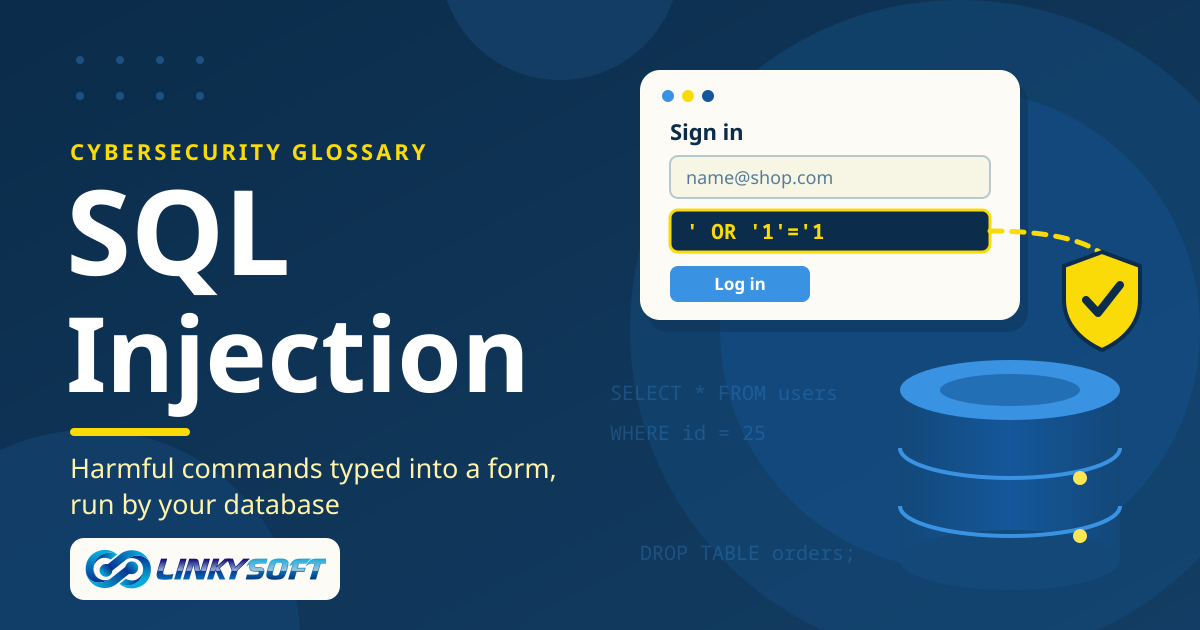
Sales Funnel A sales funnel is the path a stranger takes from seeing your advert to paying you, counted at every step so you can see where people drop out. Read the definition Scalability Scalability is how well a system keeps its speed as more people use it at the same time, instead of slowing to a crawl. Read the definition Search Intent Search intent is what a person really wants when they type a phrase into Google, which is why the page that gives them exactly that ends up on top. Read the definition Security Awareness Training Security awareness training is the short, regular practice that teaches your staff to spot a fake email or phone call before they act on it. Read the definition Service Level Agreement SLA A service level agreement is the part of a contract that promises how well a service will work, and says what you get back when the promise breaks. Read the definition Shipping Zones Shipping zones are groups of places you charge and promise the same way, so a parcel to a far village is not priced like one across the street. Read the definition SIM Swap Fraud SIM swap fraud is a scam in which a criminal moves your phone number onto their own SIM card, so your calls and security codes reach them instead. Read the definition Single Sign-On SSO Single sign-on is one username and password that opens every system a member of staff is allowed to use, on the computer and on the phone. Read the definition SKU (Stock Keeping Unit) SKU An SKU is the short code you give to one exact thing you sell, so every stock count and every sales report points at the same item. Read the definition Social Engineering Social engineering is an attack on the person rather than the computer, where someone uses fear or hurry to talk you into handing over a code or a payment. Read the definition Source Code Plain text files containing programming instructions written by software developers that tell computers, servers, and mobile devices how to run an application. Read the definition SQL SQL SQL is the language software uses to ask a database a question, so every sales report you read on screen is an SQL question asked on your behalf. Read the definition SQL Injection SQLi A web attack where someone types database commands into a form or a web address, so the website runs them and reveals, changes or deletes data it should protect. Read the definition Structured Data Structured data is a short note hidden in your page code that tells search engines what the page is about, in a form every one of them understands. Read the definition Swift Swift is the programming language Apple wrote for its own devices, so it is the supported way to build an app that people install on an iPhone or iPad. Read the definition



T
Technical SEO Technical SEO is the work of making sure a search engine can reach your pages, load them quickly on a phone and trust the connection. Read the definition Telemedicine Telemedicine is a doctor's visit by video call or chat instead of in the clinic, with the clinic system still handling the booking, notes and prescription. Read the definition Third-Party Risk Third-party risk is the chance that your data leaks through a supplier, a freelancer or a plugin you trusted, rather than through your own team. Read the definition Total Cost of Ownership TCO Total cost of ownership is what a system really costs over five years once hosting, support, changes and training are added to the build price. Read the definition Tracking Pixel A tracking pixel is a small piece of code hidden on a page that tells an advertising company who visited your site and what they did there. Read the definition Two-Factor Authentication 2FA Two-factor authentication is a sign-in that asks for your password and then for something you are holding, so a stolen password alone is not enough to get in. Read the definition TypeScript TypeScript is JavaScript with labels on the data, so a mistake is caught while the code is still being written instead of after it reaches customers. Read the definition
U
Uninstall Rate Uninstall rate is the share of people who delete your app after installing it, and the fastest honest signal that something on the first screen is wrong. Read the definition Upselling Upselling is offering a customer a better or bigger version of what they already chose, at the moment they have decided but have not yet paid. Read the definition Uptime Uptime is the share of time a system stays available and working, usually written as a percentage over a month, such as 99.9%. Read the definition
Still not sure how this applies to your project?
Tell us what you are building and we will answer in plain language.